Renovation Scope, Countertop Choices, and Budget Questions for Denver-Area Projects
A fix-and-flip project involves buying, renovating, and reselling a property. Profit is uncertain, and a project can lose money. This guide covers renovation-planning questions and countertop choices; property values and investment assumptions need current, project-specific review.
Planning a Fix-and-Flip Renovation in Denver: Costs and Countertop Choices
A renovation plan should begin with the property’s condition, an itemized scope, and realistic cost and schedule estimates. Countertops are one part of that plan. Evaluate the whole project with qualified local professionals rather than assuming that a cosmetic upgrade or past market growth will produce a profit.
Evaluate the Local Market Before Committing
Market conditions vary by neighborhood, property type, price range, and date. Use current local evidence when reviewing these questions:
-
Current Buyer Demand:
Review recent comparable sales, active competition, and time on market with a local real estate professional. Do not assume that population growth or general interest in Denver means strong demand for a particular property. -
Property Value Assumptions:
An estimated resale value is a scenario, not a guaranteed outcome. Compare similar properties and consider what happens if the sale price is lower or the sale takes longer than expected. -
Competing Renovated Homes:
Inspect the finishes and condition of comparable listings. A move-in-ready appearance alone does not establish the right scope, a sale price, or a profitable project.
Questions for Planning a Denver-Area Renovation
-
Find the Right Property
Before purchasing, review the property condition and the proposed renovation scope with appropriate professionals. A low asking price or a neighborhood’s past appreciation does not establish a good investment. Consider:-
The Condition of the Property:
Cosmetic work may be easier to define than structural repairs, but visible condition can conceal other problems. Arrange appropriate inspections and obtain estimates for identified work before relying on a renovation budget. -
Comparable Sales (Comps):
Comparable sales can help inform a resale estimate, but purchase and renovation costs are only part of the calculation. Include financing, carrying costs, taxes, insurance, permits, selling expenses, and contingency when reviewing the project with your advisers. -
Location, Location, Location:
Evaluate the specific location alongside comparable properties and current buyer preferences. Nearby amenities do not guarantee a faster sale or a higher price.
-
-
Budget Your Renovations Wisely
Define the required work before selecting finishes. Compare itemized bids with consistent assumptions and allow for unexpected repairs and delays. Review the following areas in relation to the entire project:-
Kitchen and Bathrooms:
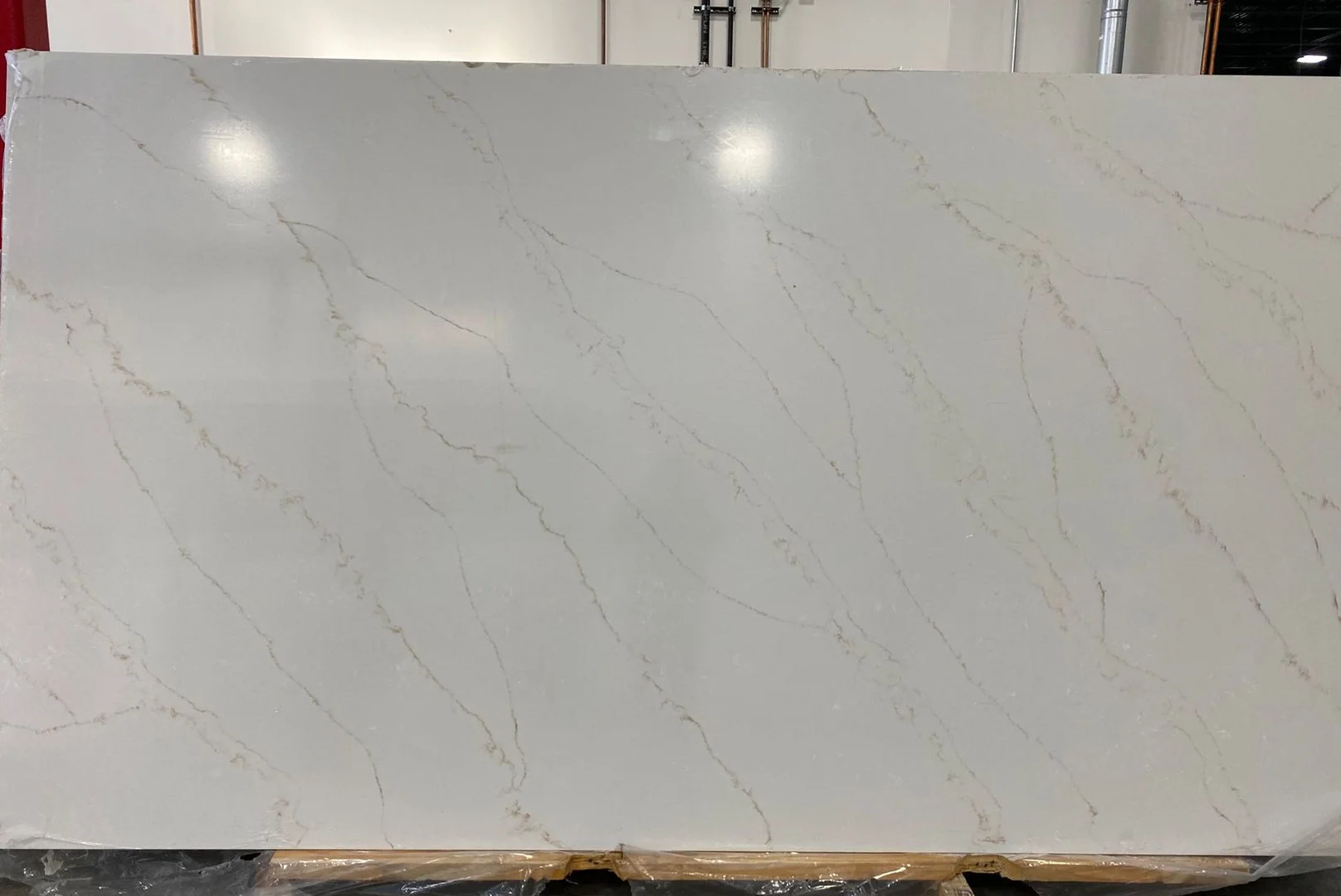
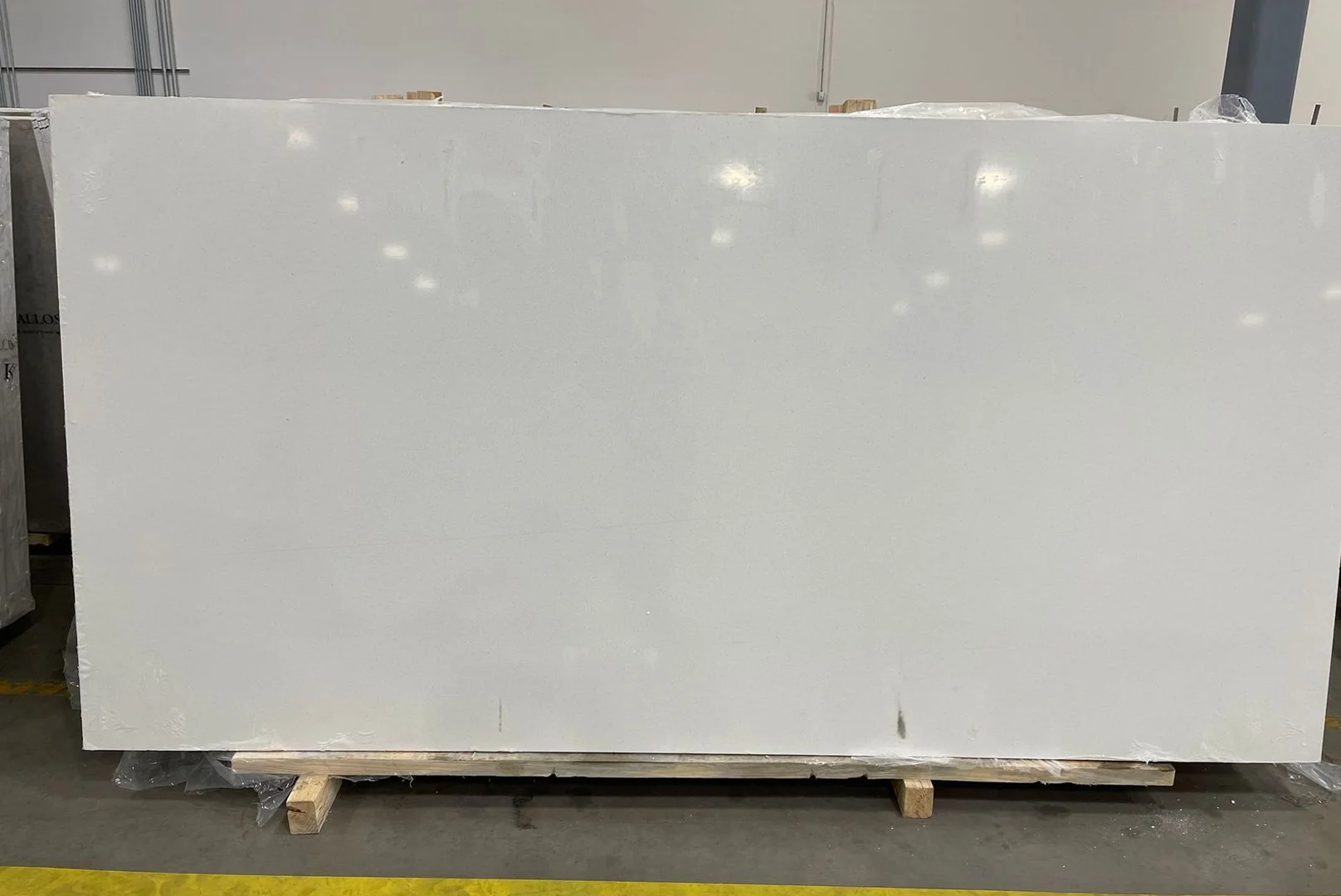
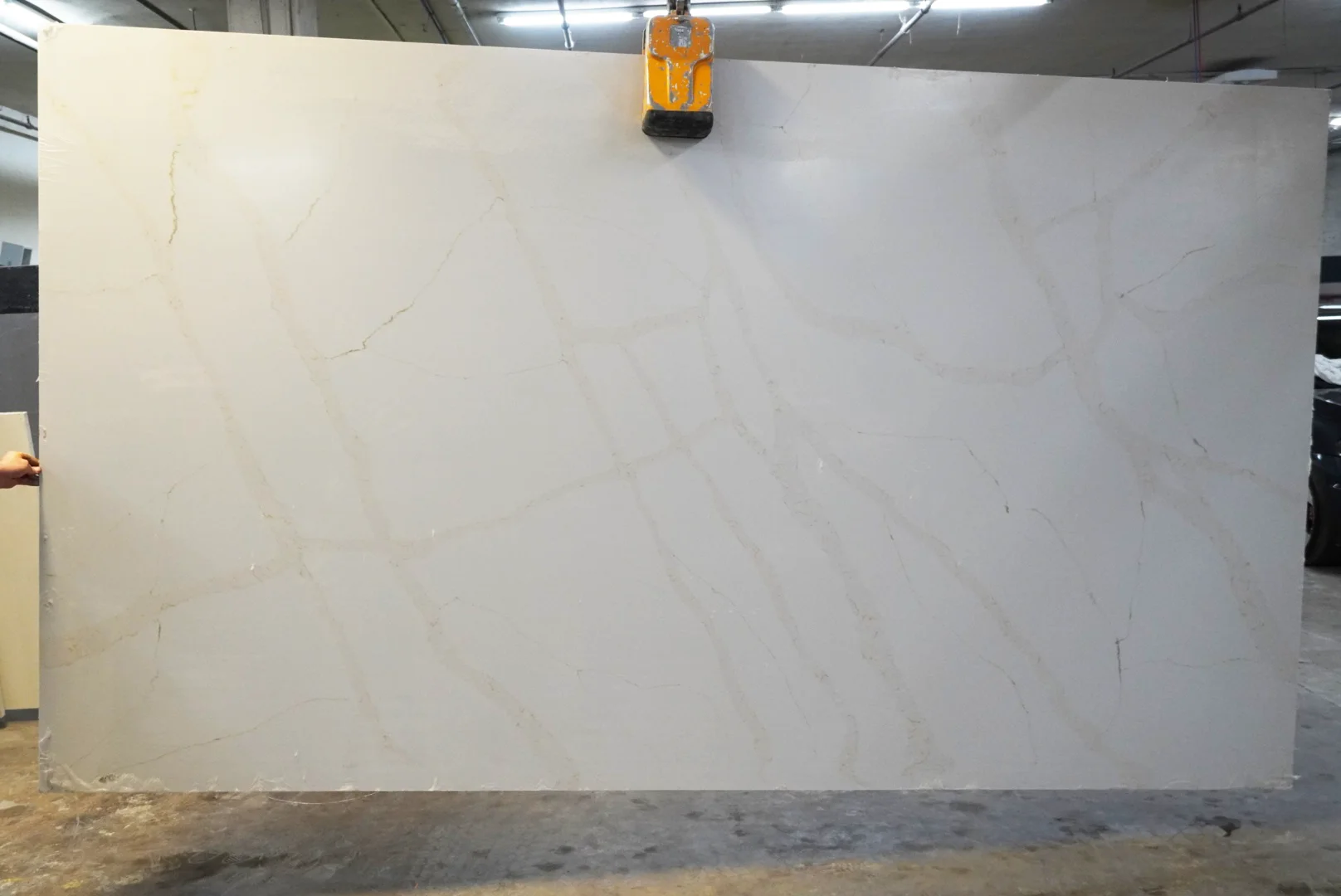
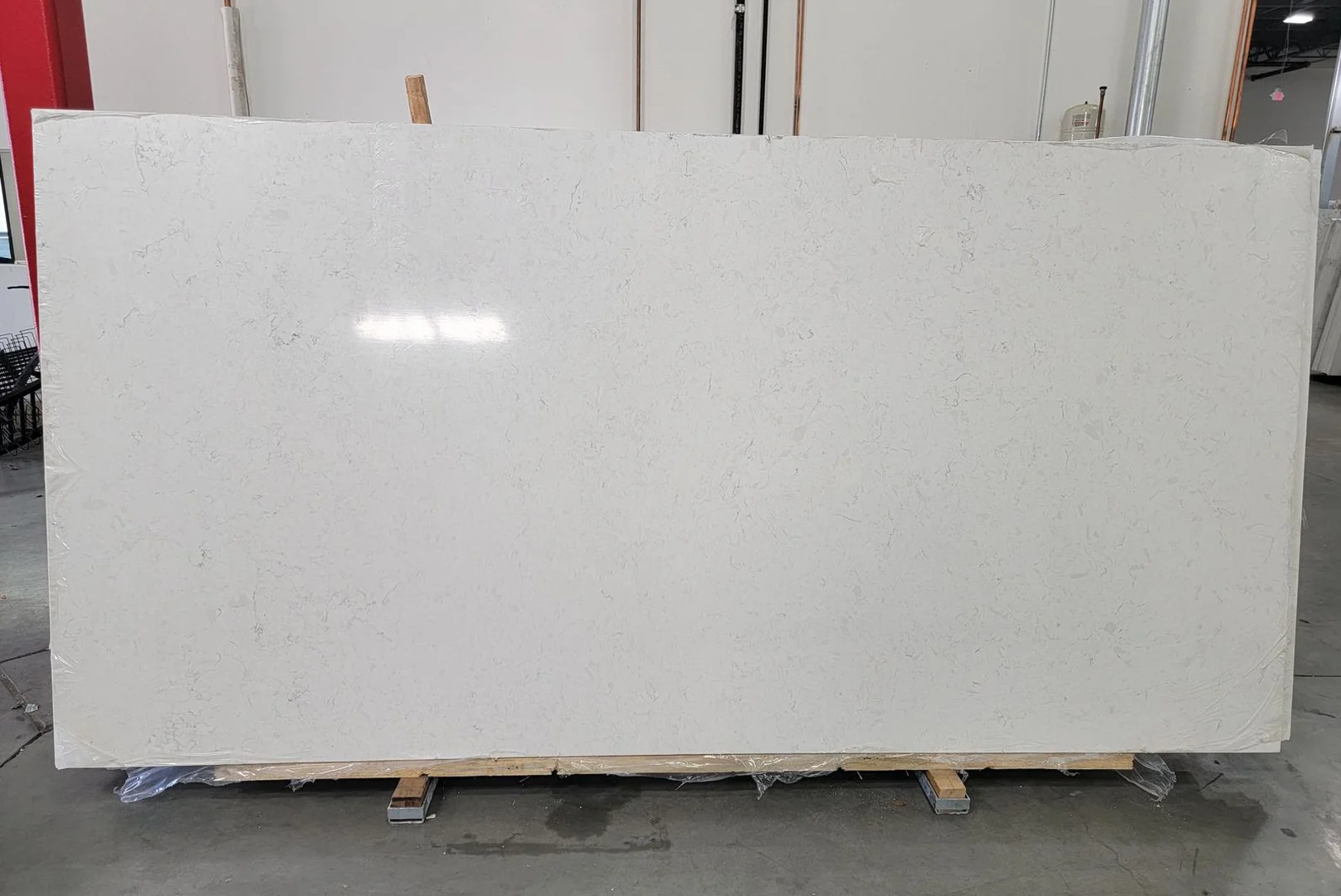
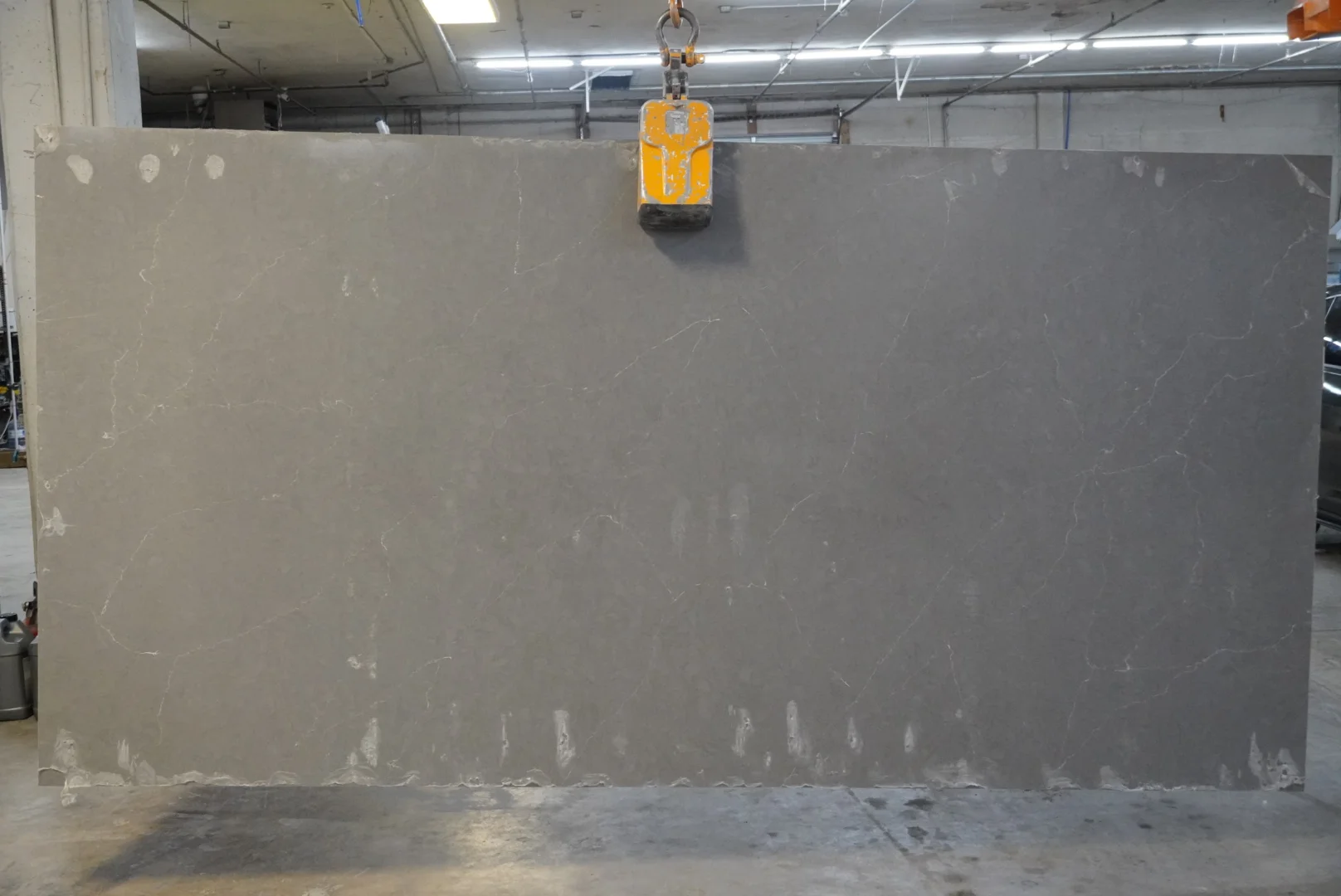
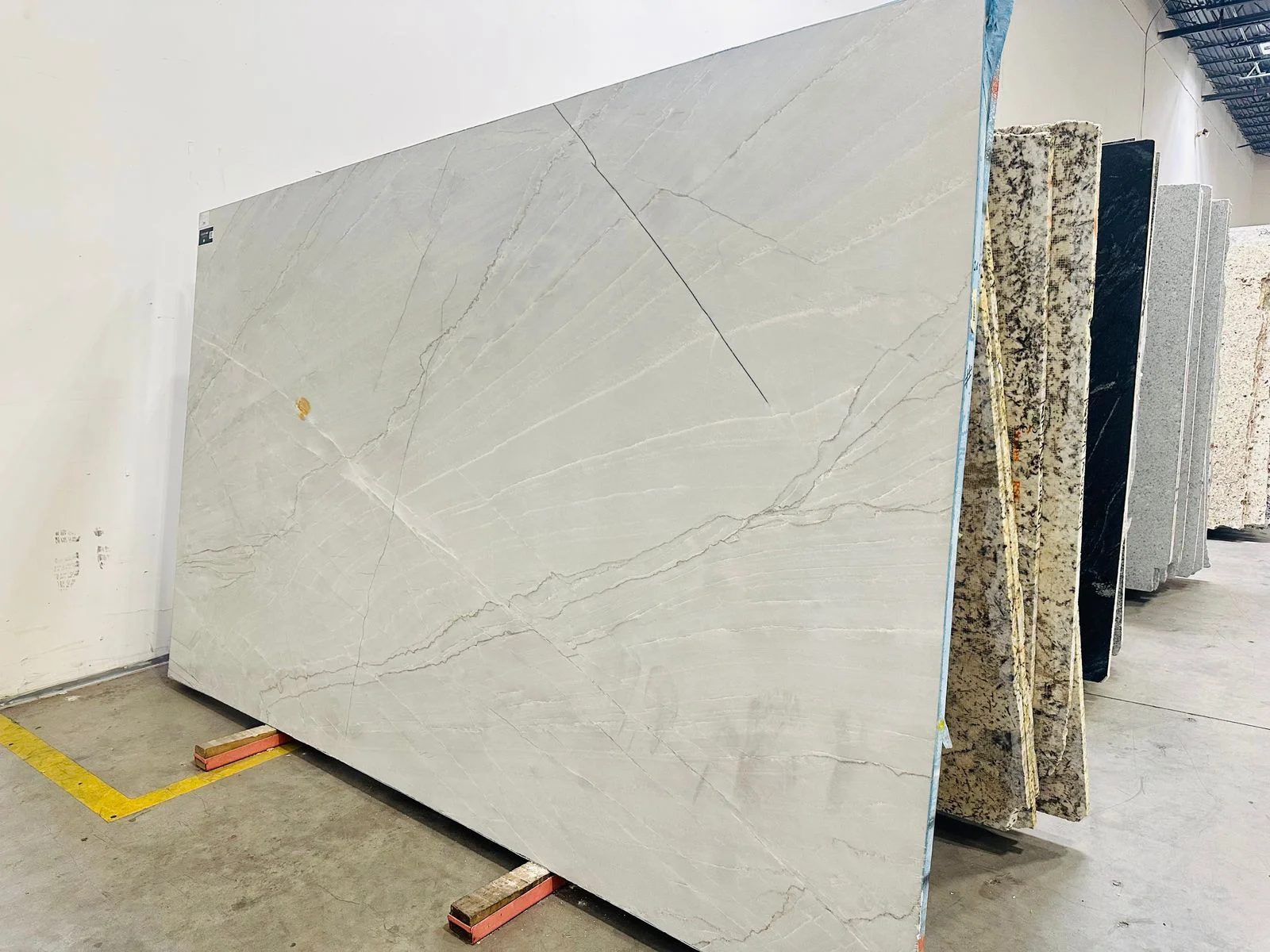
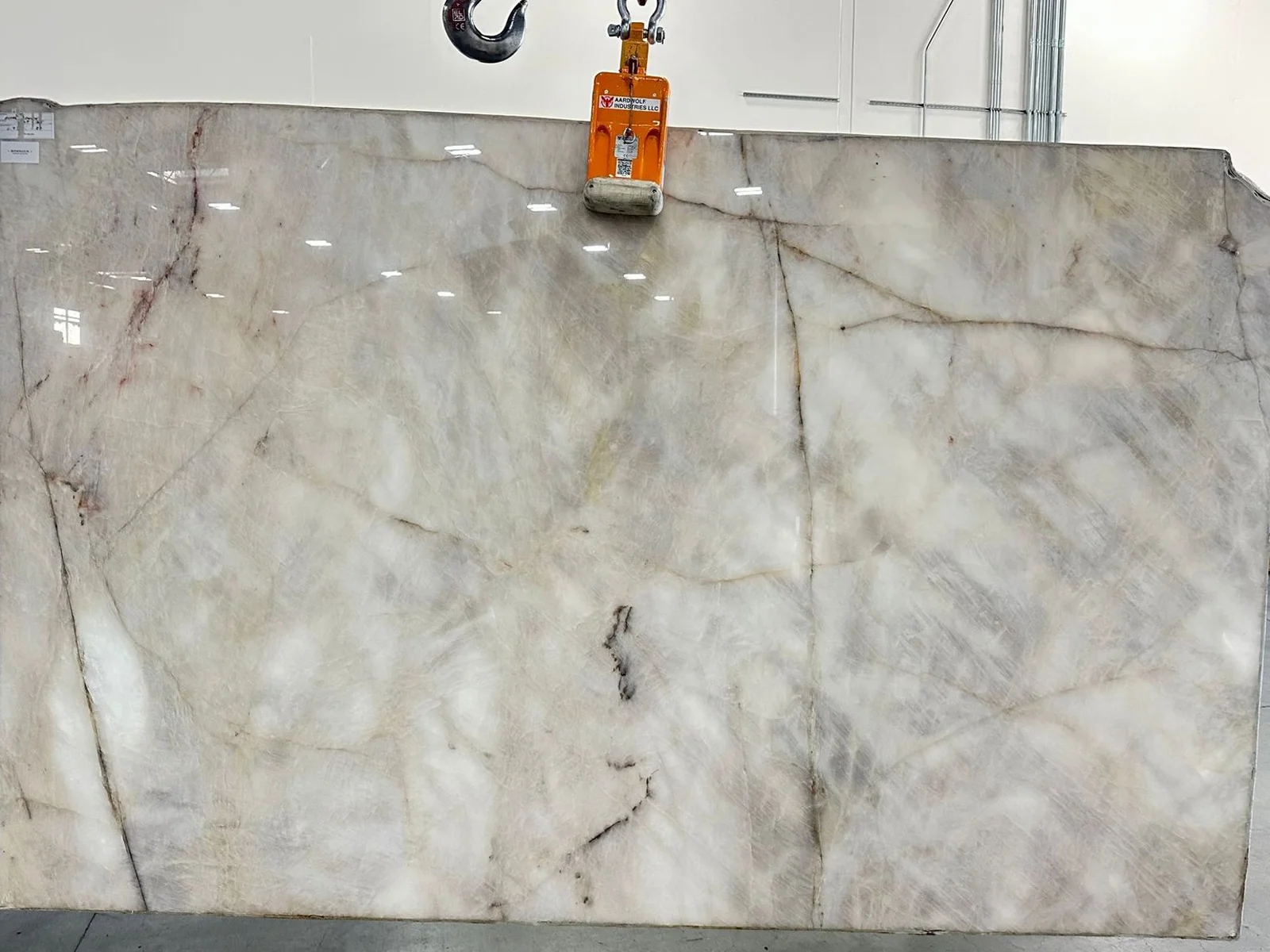
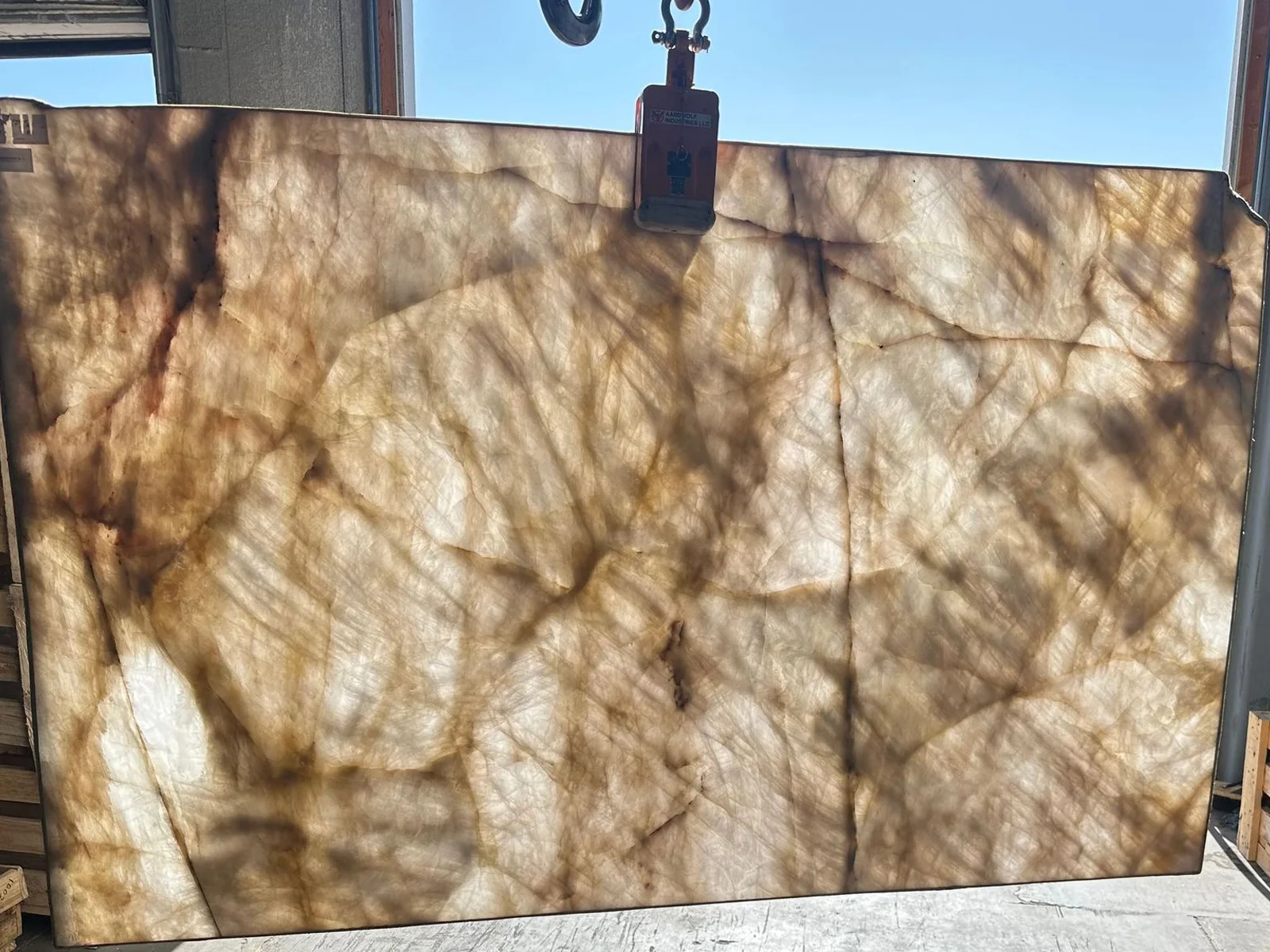
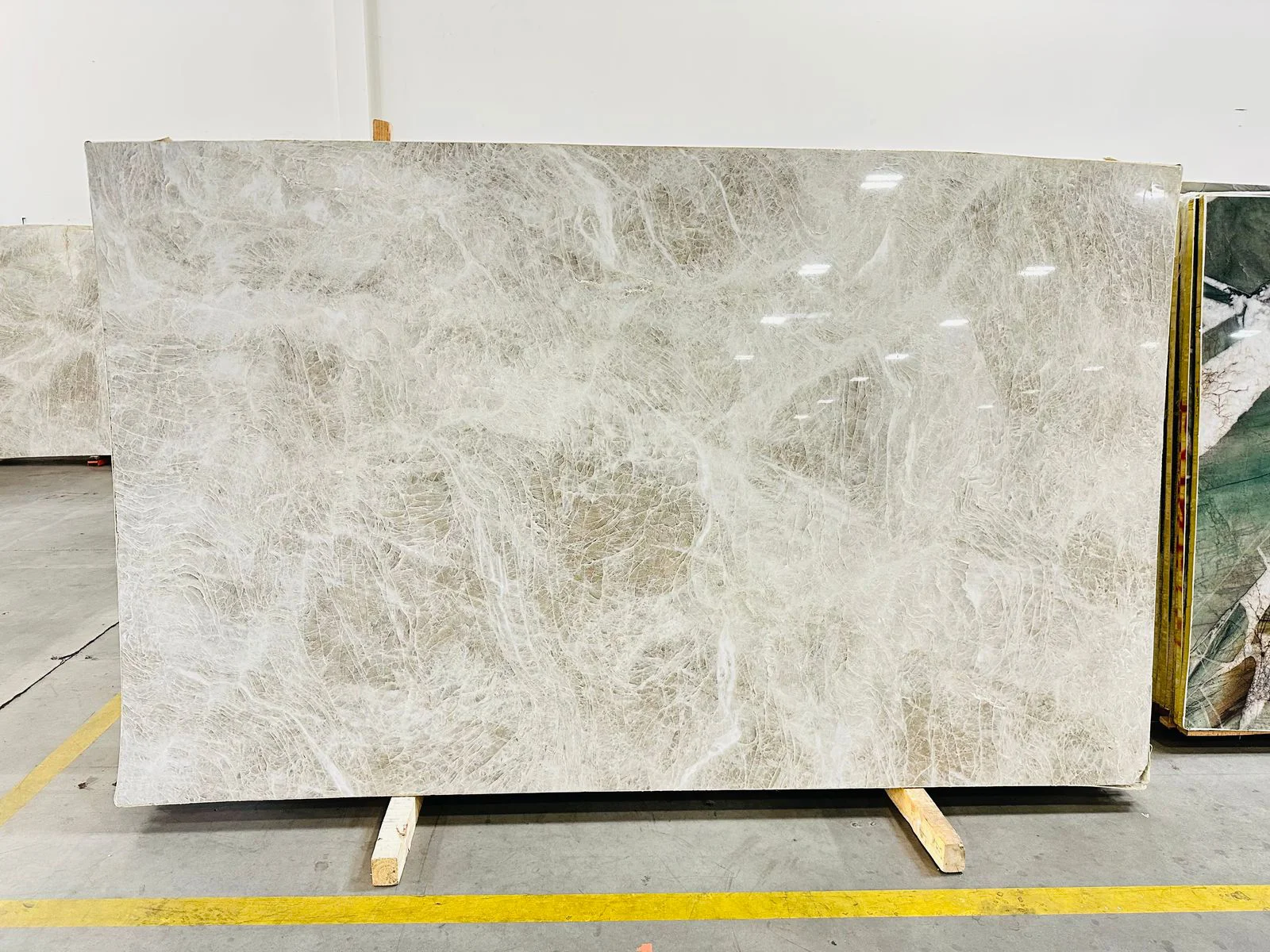
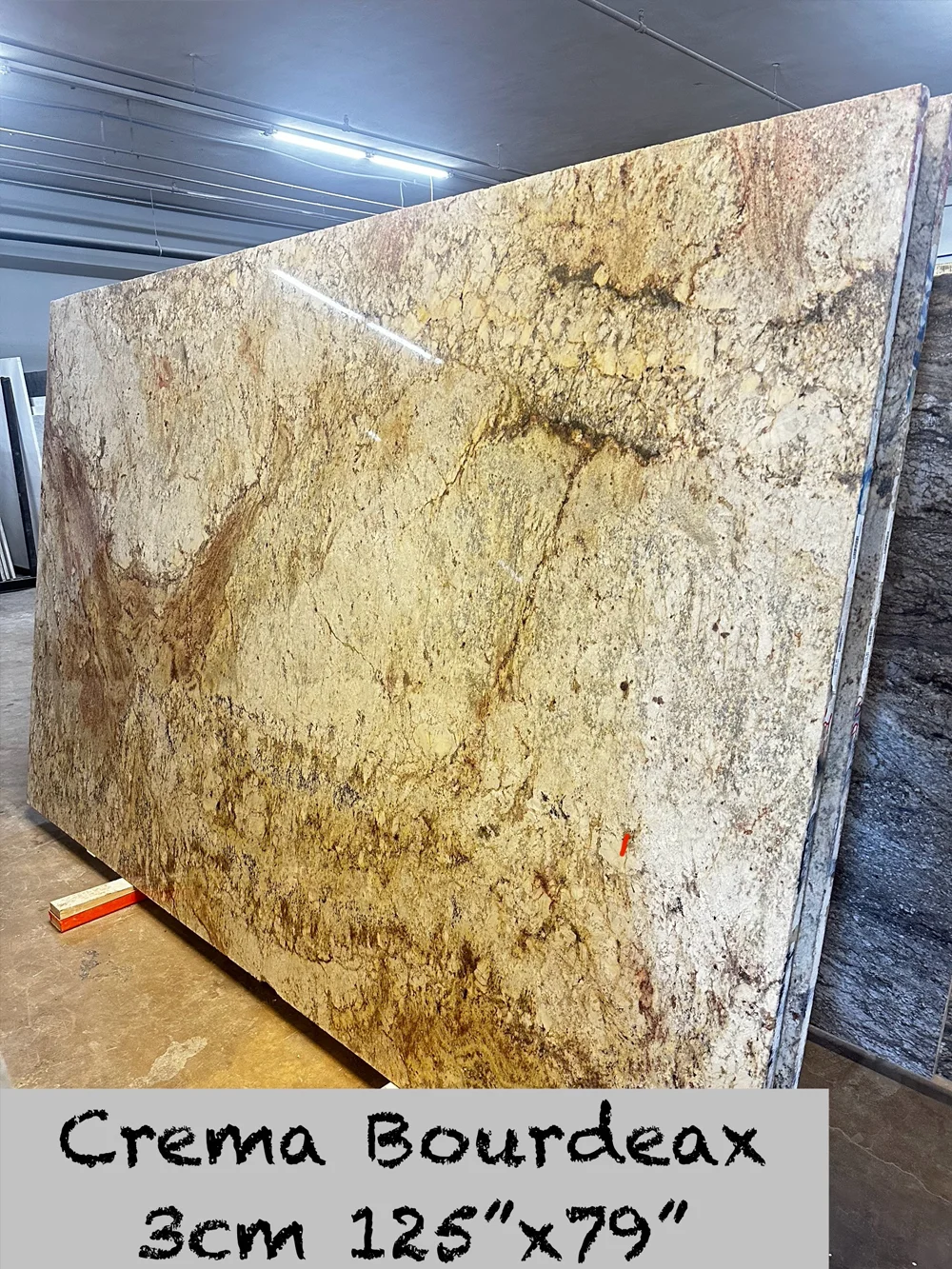
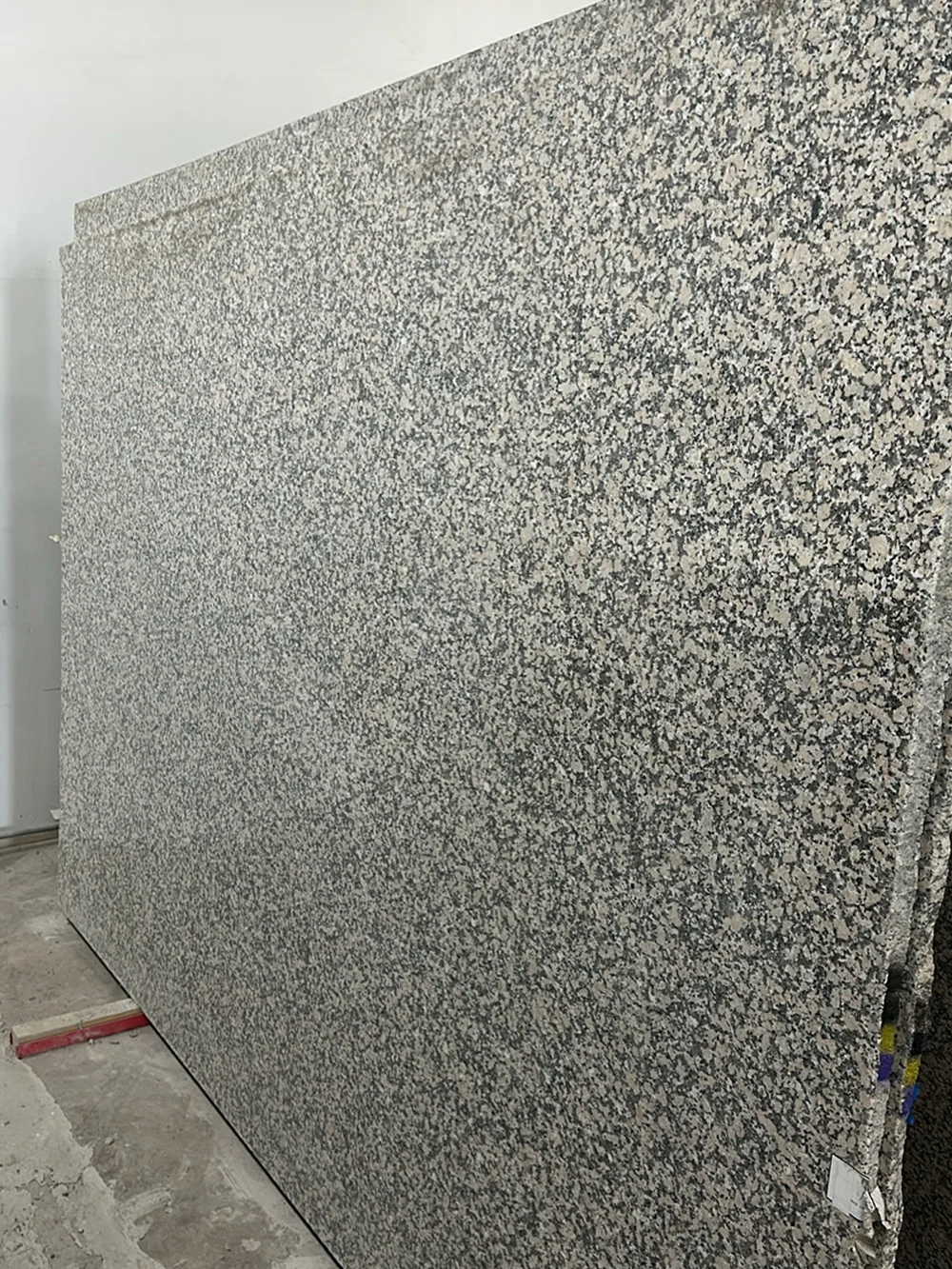
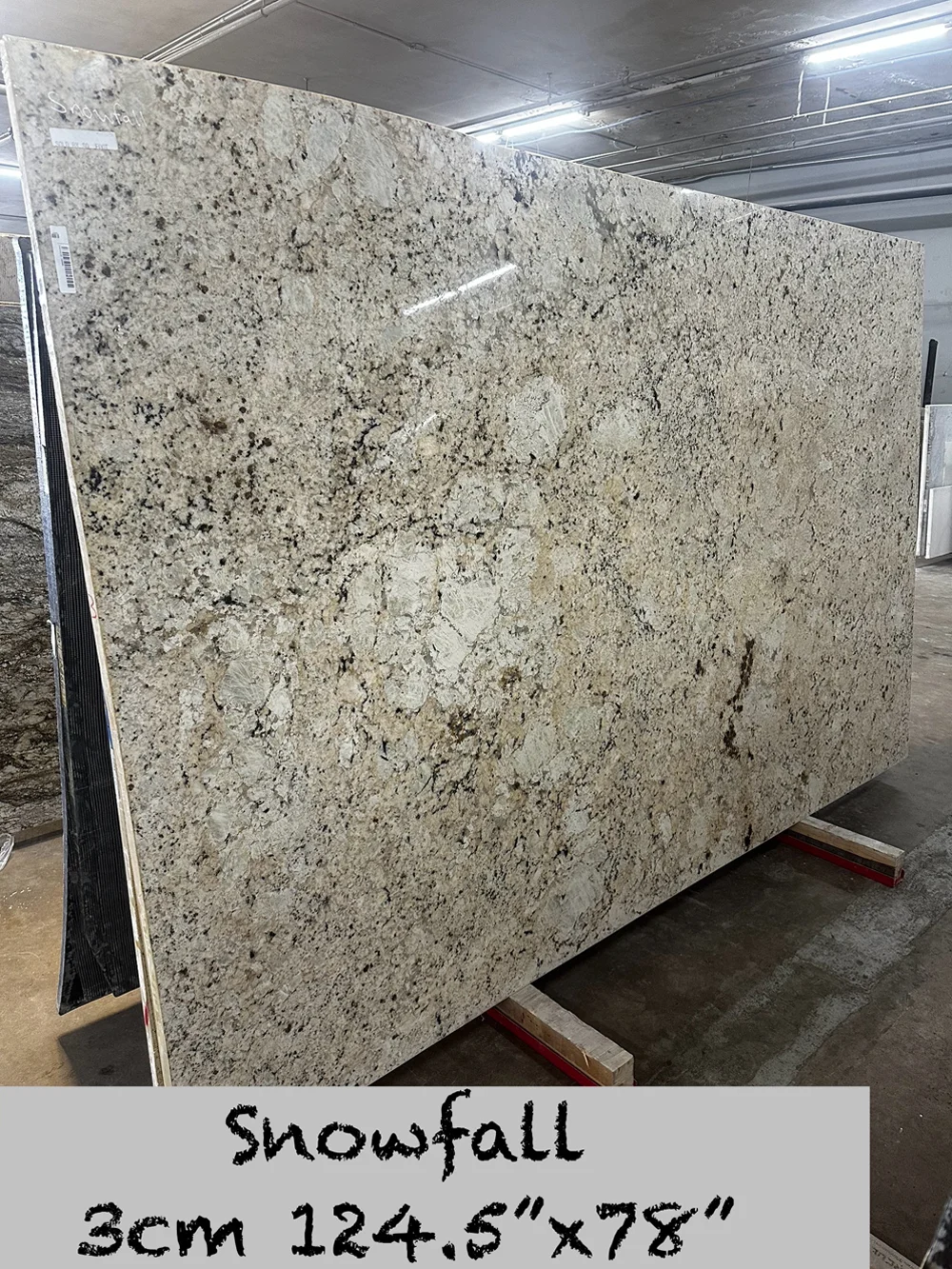
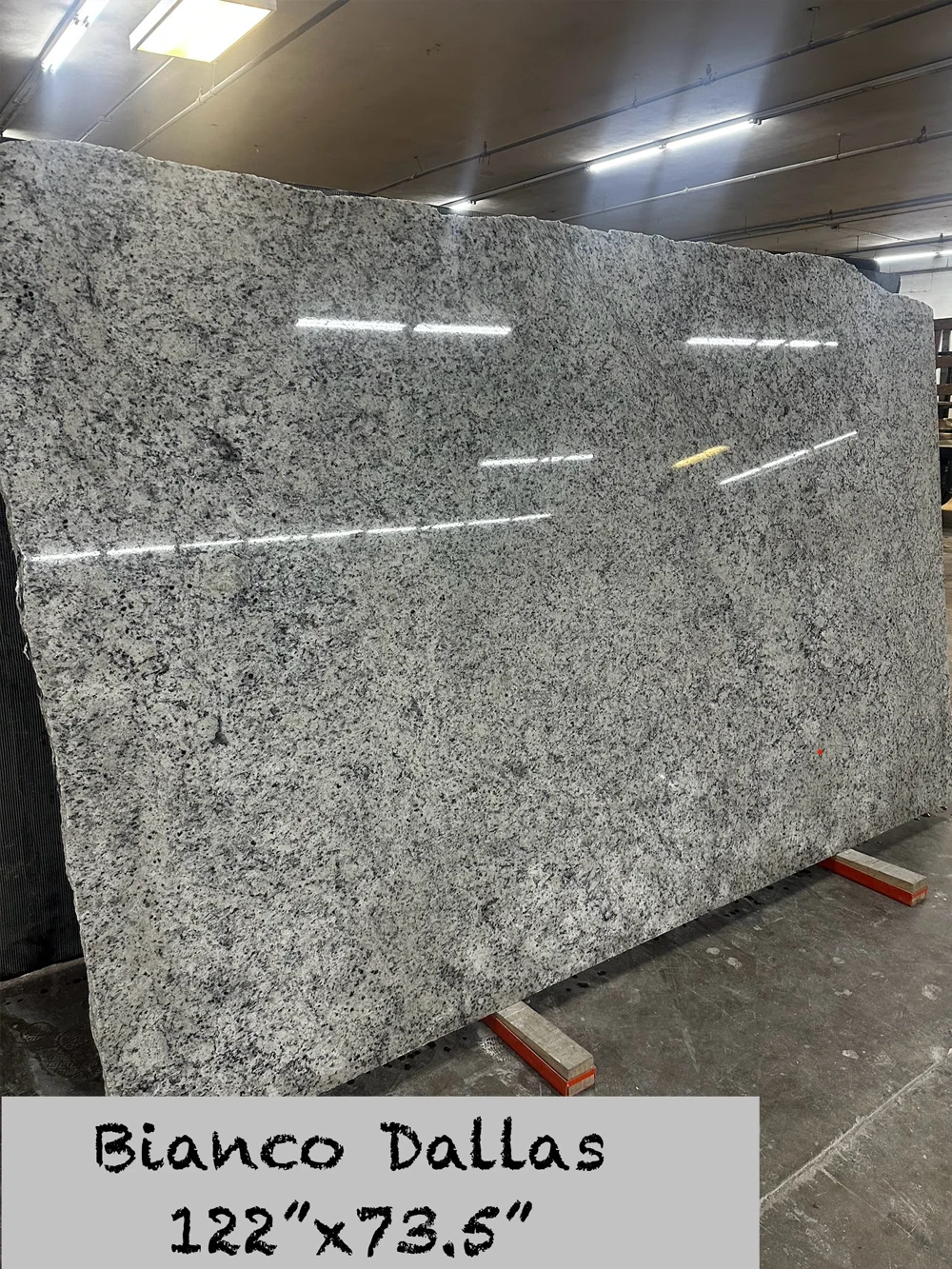
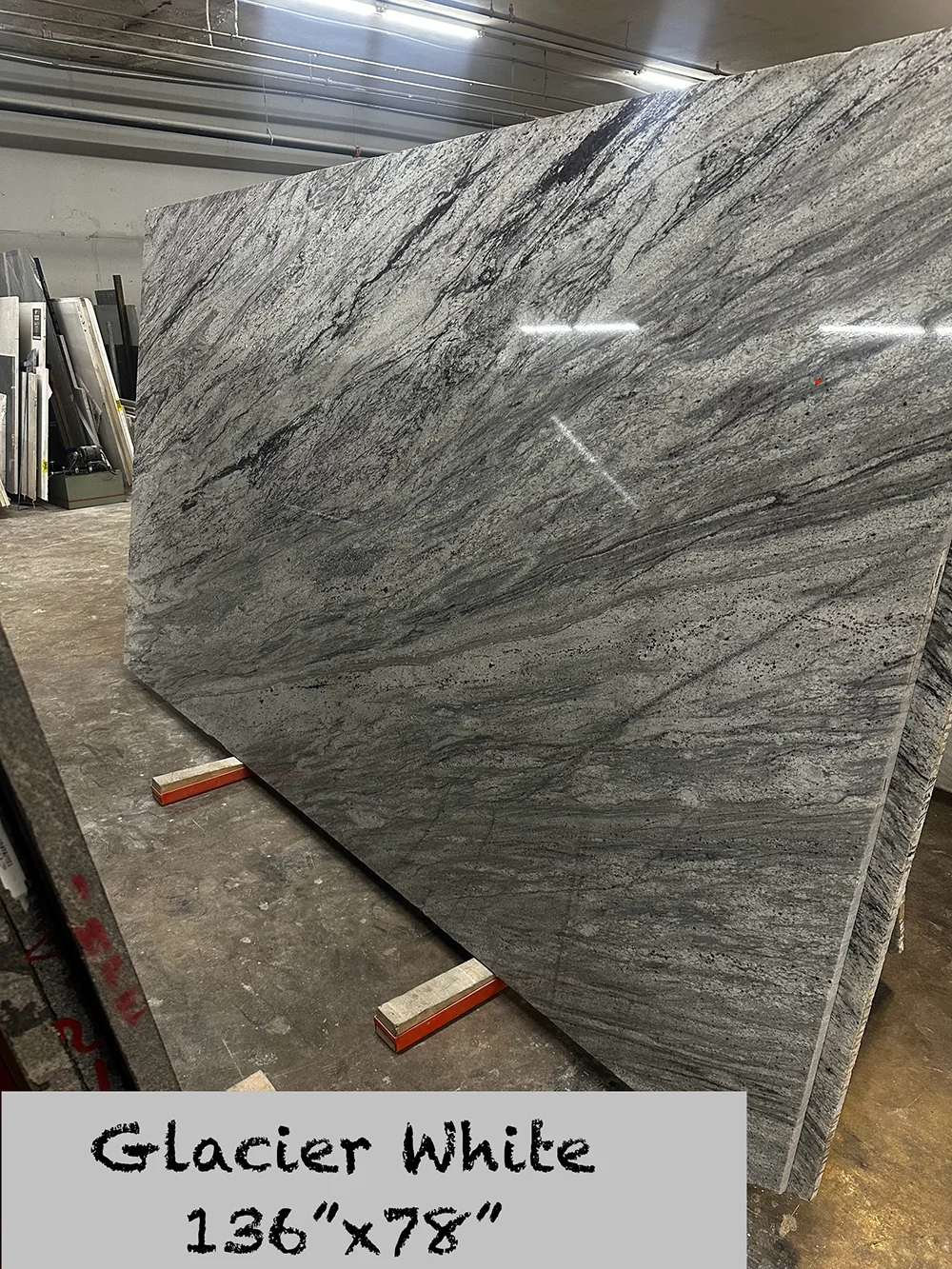
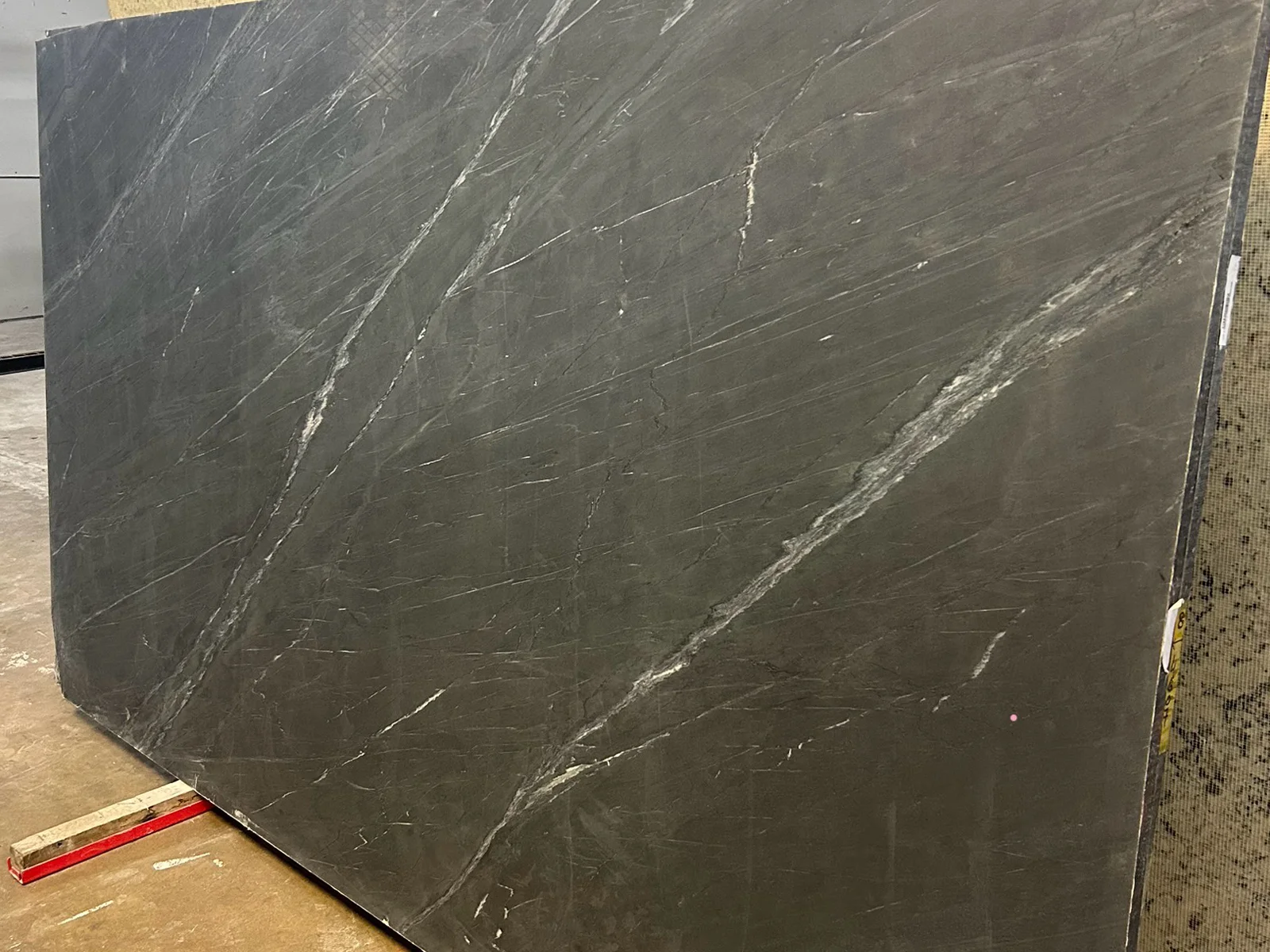
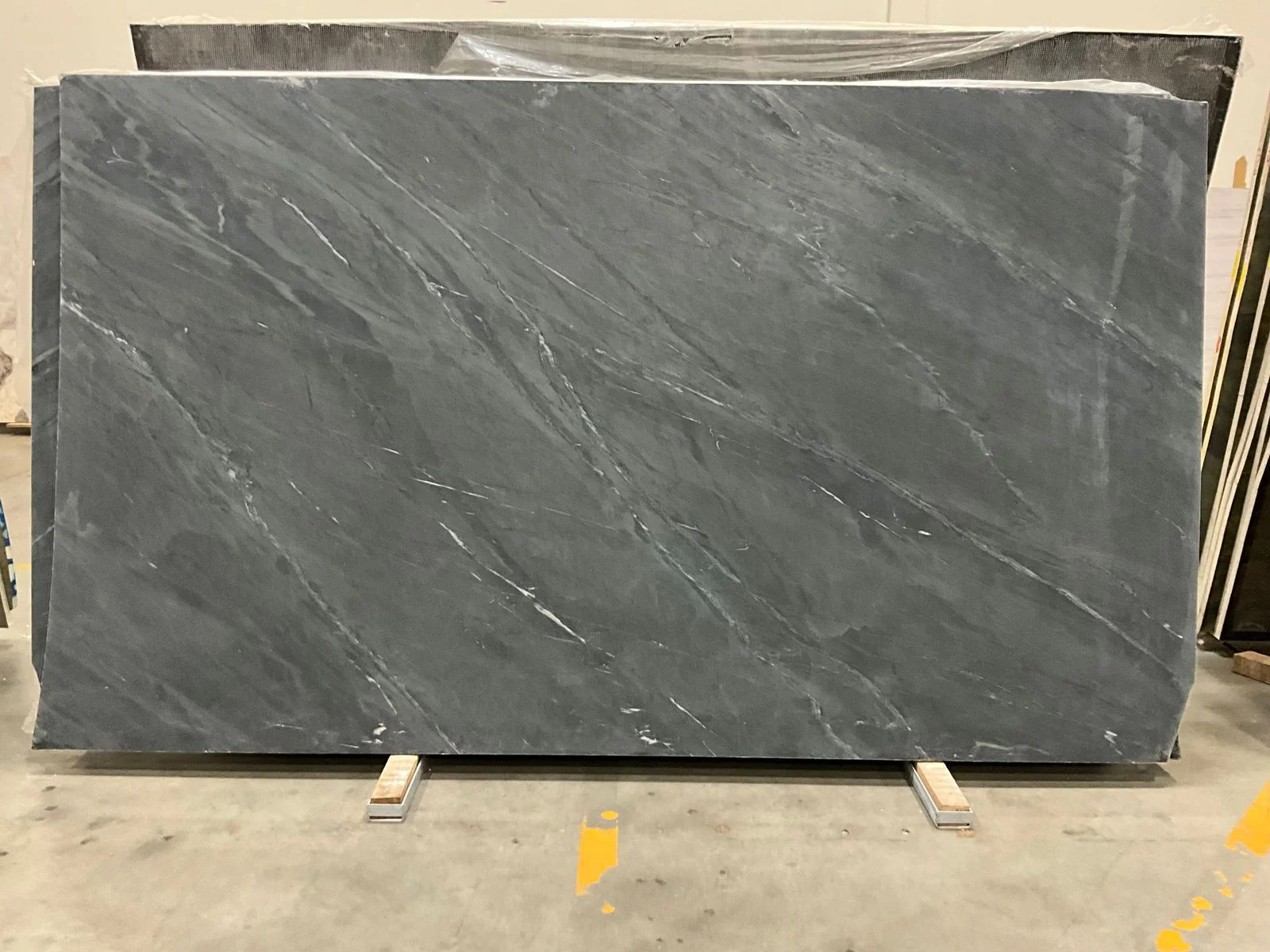
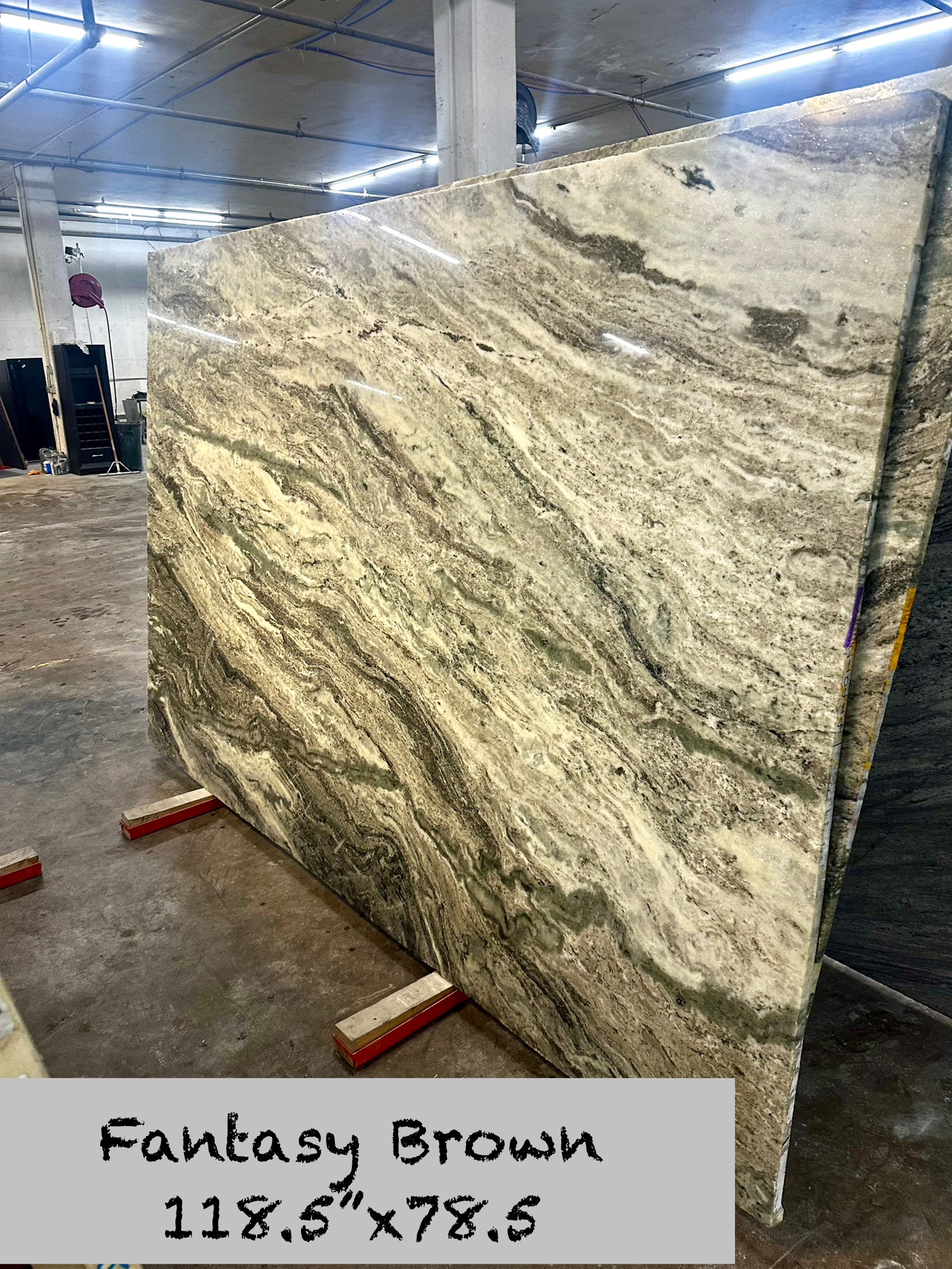
Choose countertop materials that suit the expected use, design, and budget. Compare granite, quartzite, engineered quartz, and other options using actual installed estimates. Kitchen and bathroom work does not guarantee a particular return on investment. -
Flooring and Paint:
New, modern flooring and a fresh coat of neutral-colored paint can completely transform a space without the need for major structural changes. Use trendy, durable options like hardwood, vinyl, or tile. -
Curb Appeal:
Review exterior condition, lighting, and landscaping as part of the project scope. Improvements may affect buyer appeal, but do not assume that their cost will be recovered at resale.
-
-
Work with Local Experts for Renovations
Ask local contractors and suppliers for written scopes, estimates, scheduling assumptions, and exclusions. Confirm who is responsible for each part of the work. Relevant professionals may include:-
Stone Fabricators and Installers:
For countertop work, discuss material availability, templating, slab layout, edge profiles, cutouts, installation, and care with the fabricator. Match the specified material to the location and intended use. -
Licensed Contractors and Designers:
Verify the credentials and insurance appropriate to the work and local requirements. Ask contractors and designers to explain the scope, responsibilities, and change-order process; design choices alone cannot guarantee a property-value increase.
-
-
Market Your Property to the Right Buyers
Once renovations are complete, it’s time to sell. Make sure you market the property effectively to attract the right buyers. Use professional photography and staging to showcase the home’s updated features, especially the kitchen and bathrooms.-
Highlight Smart Features:
Describe installed features accurately and explain their operation. Smart devices can be a preference for some buyers, but their presence does not guarantee a resale premium. -
Work with a Local Real Estate Agent:
Partner with a local agent who understands the Denver market. They can help you price the property competitively and market it to potential buyers effectively.
-
Why Fix-and-Flip Projects Can Be Challenging
Renovation and resale involve uncertainty. Unexpected repairs, financing costs, delays, and changes in buyer demand can reduce or eliminate an expected margin. Review risks such as:
-
Unforeseen Repairs:
Even the best-laid plans can hit snags. Hidden structural issues, plumbing, or electrical problems can arise during the renovation process, causing delays and increasing costs. -
Competition in the Market:
Availability and pricing change. Set due-diligence requirements before pursuing a property; urgency is not a substitute for inspections, estimates, and a review of the project’s assumptions. -
Time Management:
Time is money. The longer you hold onto a property, the more it will cost in interest, property taxes, and maintenance. Balancing renovation quality with speed is critical to maintaining profitability.
Plan the Scope Before Selecting Finishes
A defined scope, current local evidence, and itemized estimates support better renovation decisions. They do not eliminate the risk of loss. For the countertop portion of a Denver-area project, contact Lion StoneWorks to discuss materials, fabrication, installation, and an estimate for the agreed work.