Planning Custom Countertops for Everyday Use and Future Resale in the Denver Area
Custom Stone Countertops: Design, Budget, and Resale Considerations
Custom countertops can change how a kitchen or bathroom looks and functions. When planning an upgrade, consider everyday use, material care, and the total installed cost. For homeowners in Denver, Parker, and Cherry Hills Village, resale appeal is one consideration, but a countertop upgrade does not guarantee a higher sale price or recovery of its cost.
Choose countertops for the way you use your home as well as your budget. If selling is a priority, discuss current comparable properties with a local real estate professional before deciding how much to spend. Material preferences and resale outcomes vary by property and market.
What Custom Countertops Can Offer
Investing in custom stone countertops offers several benefits that go beyond their beauty. Here’s why selecting the right material can elevate your home:
1. Aesthetic Appeal
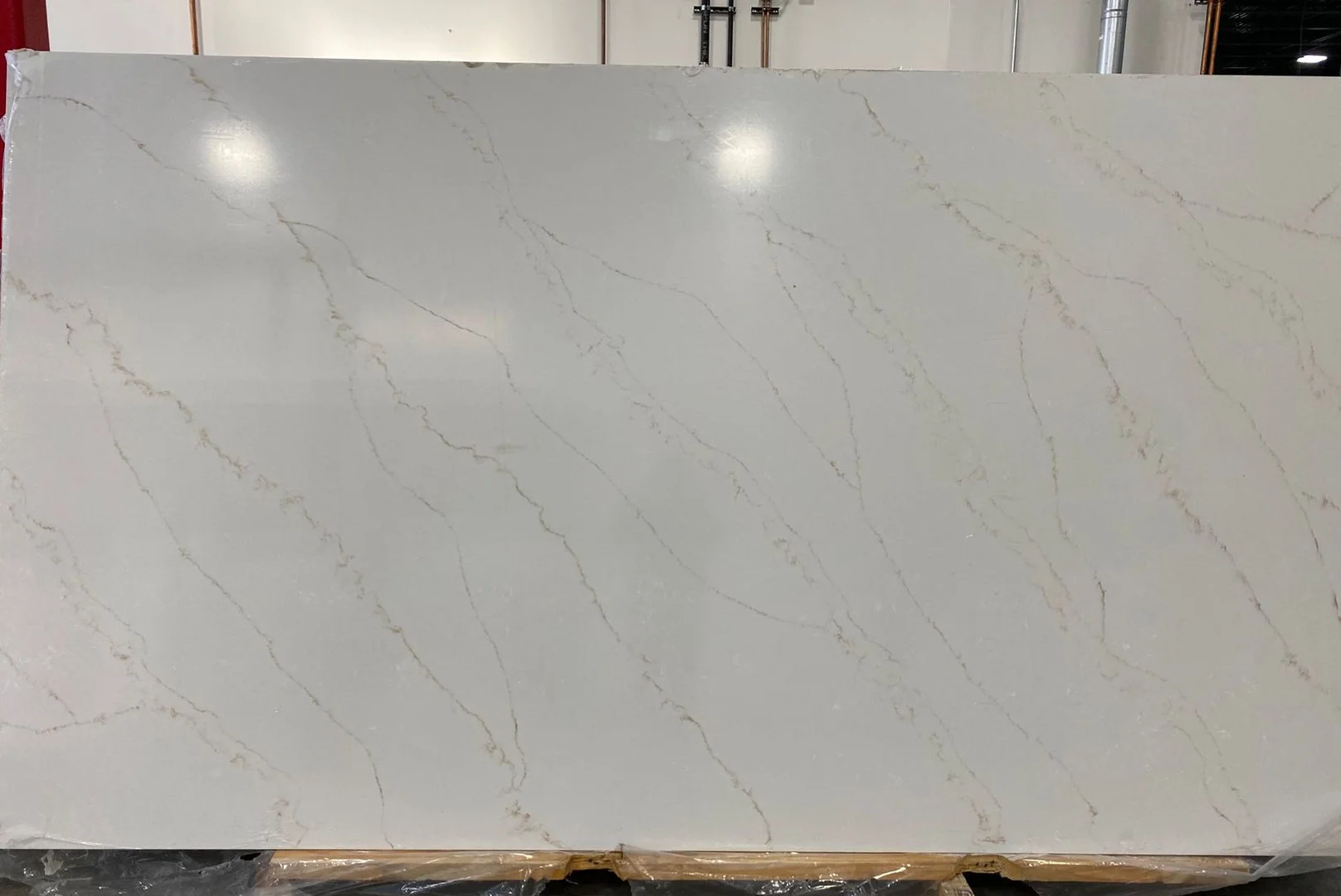
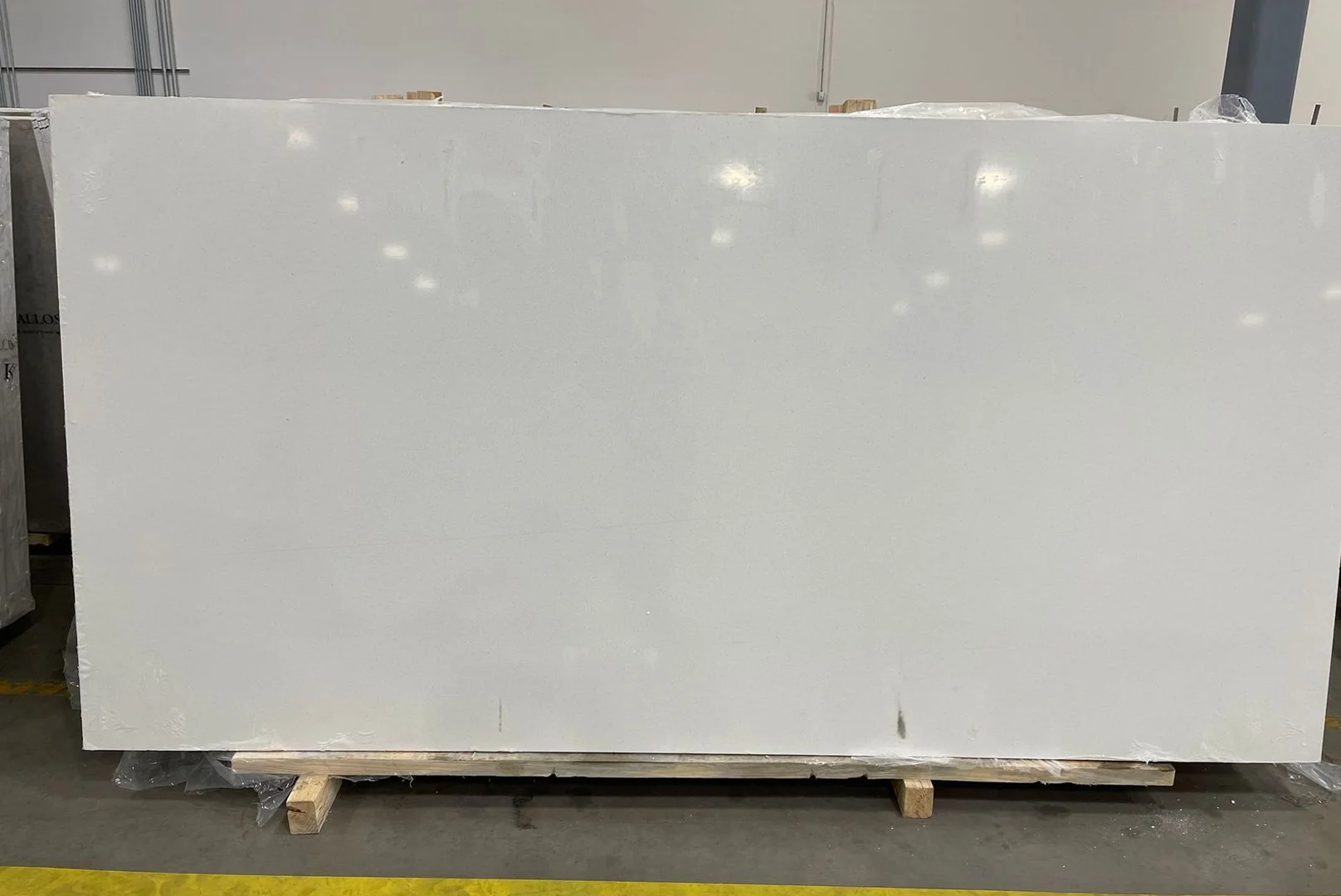
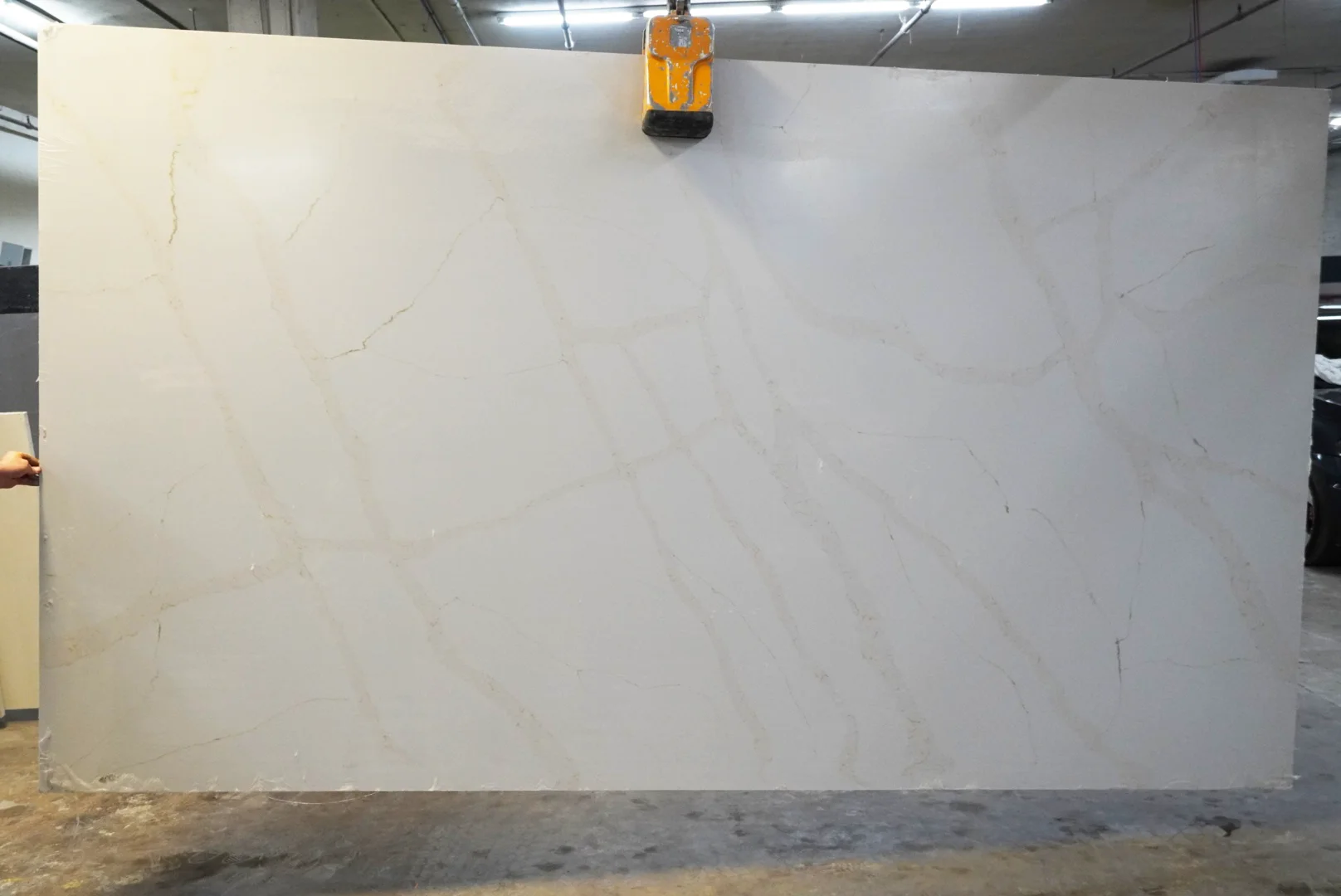
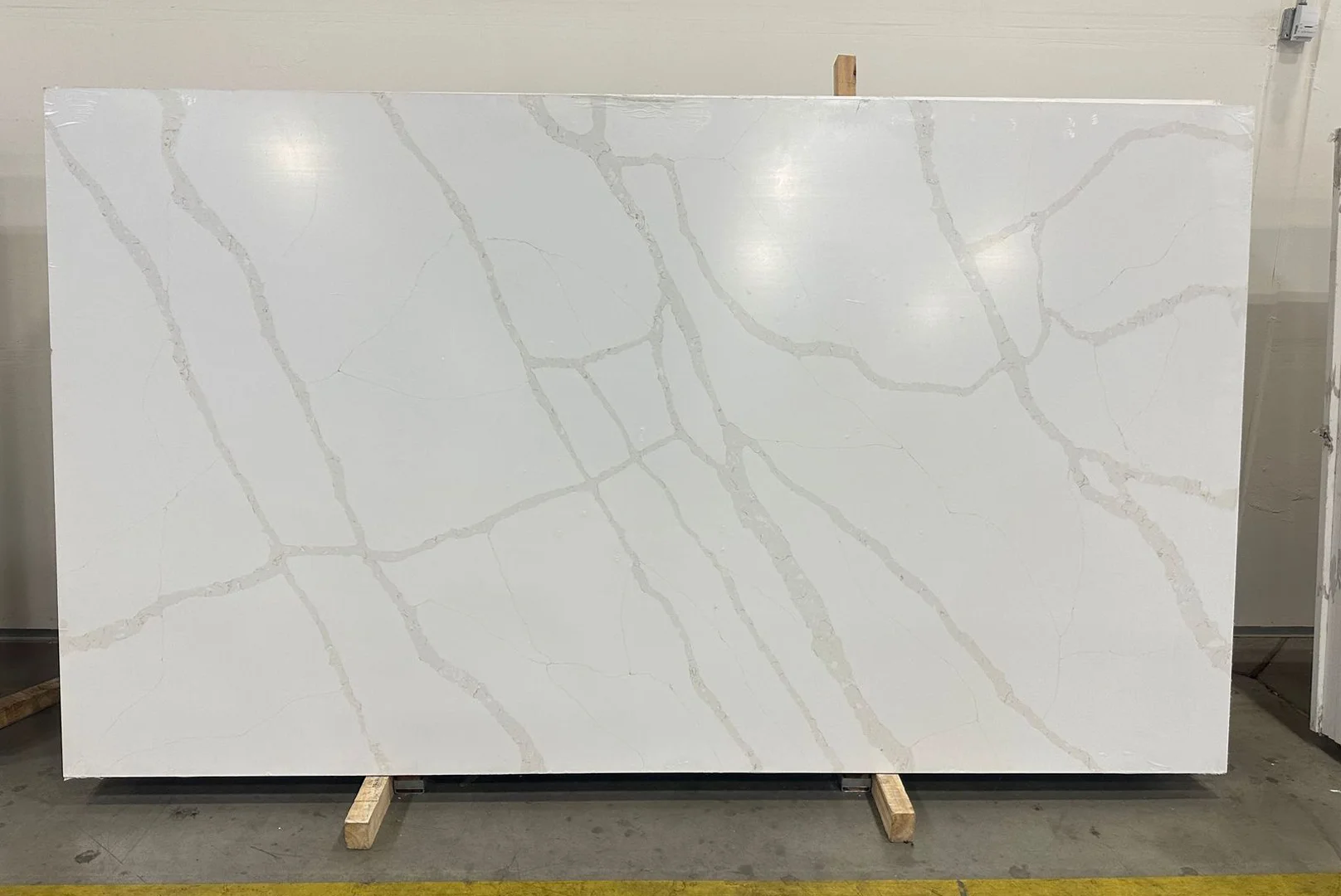
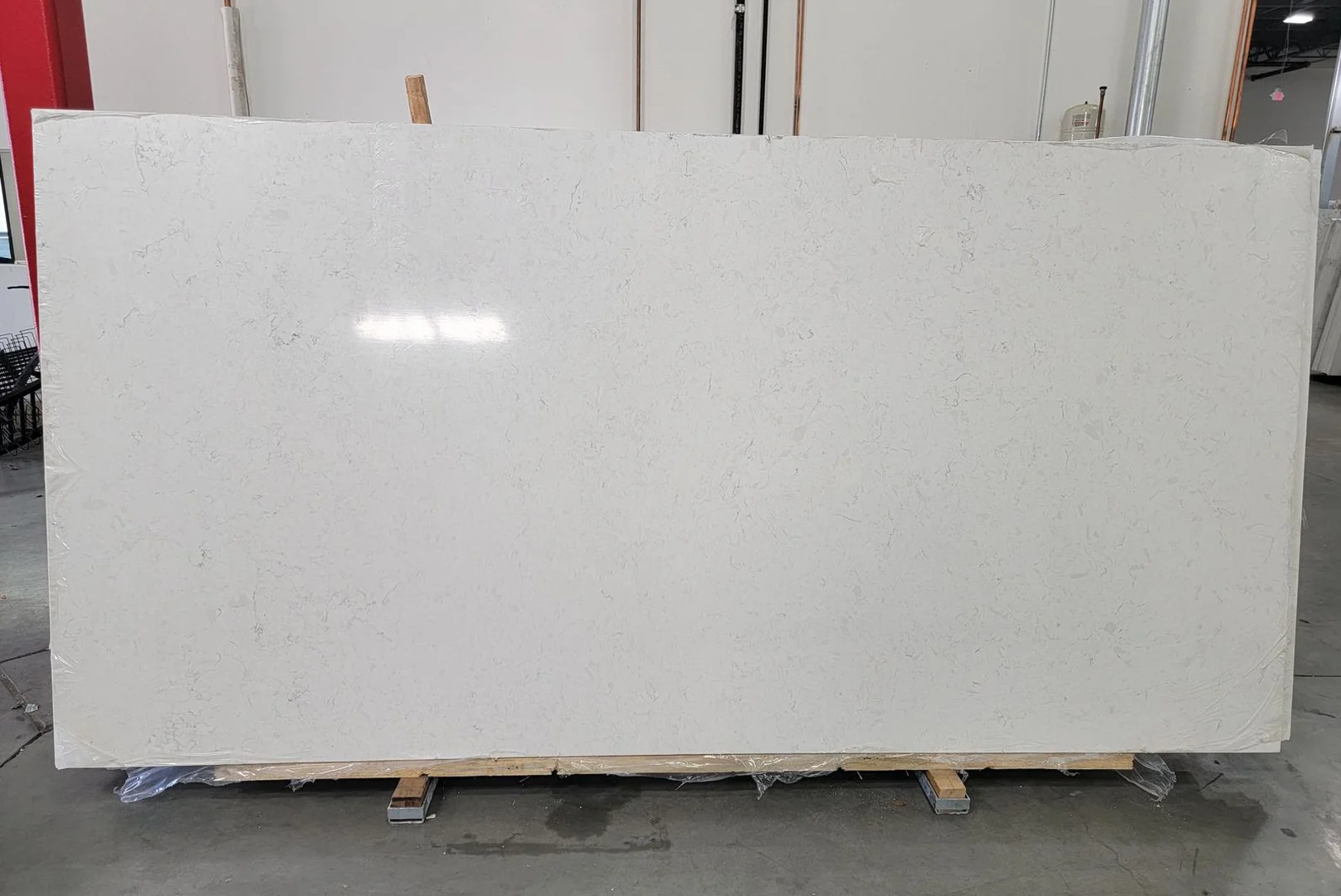
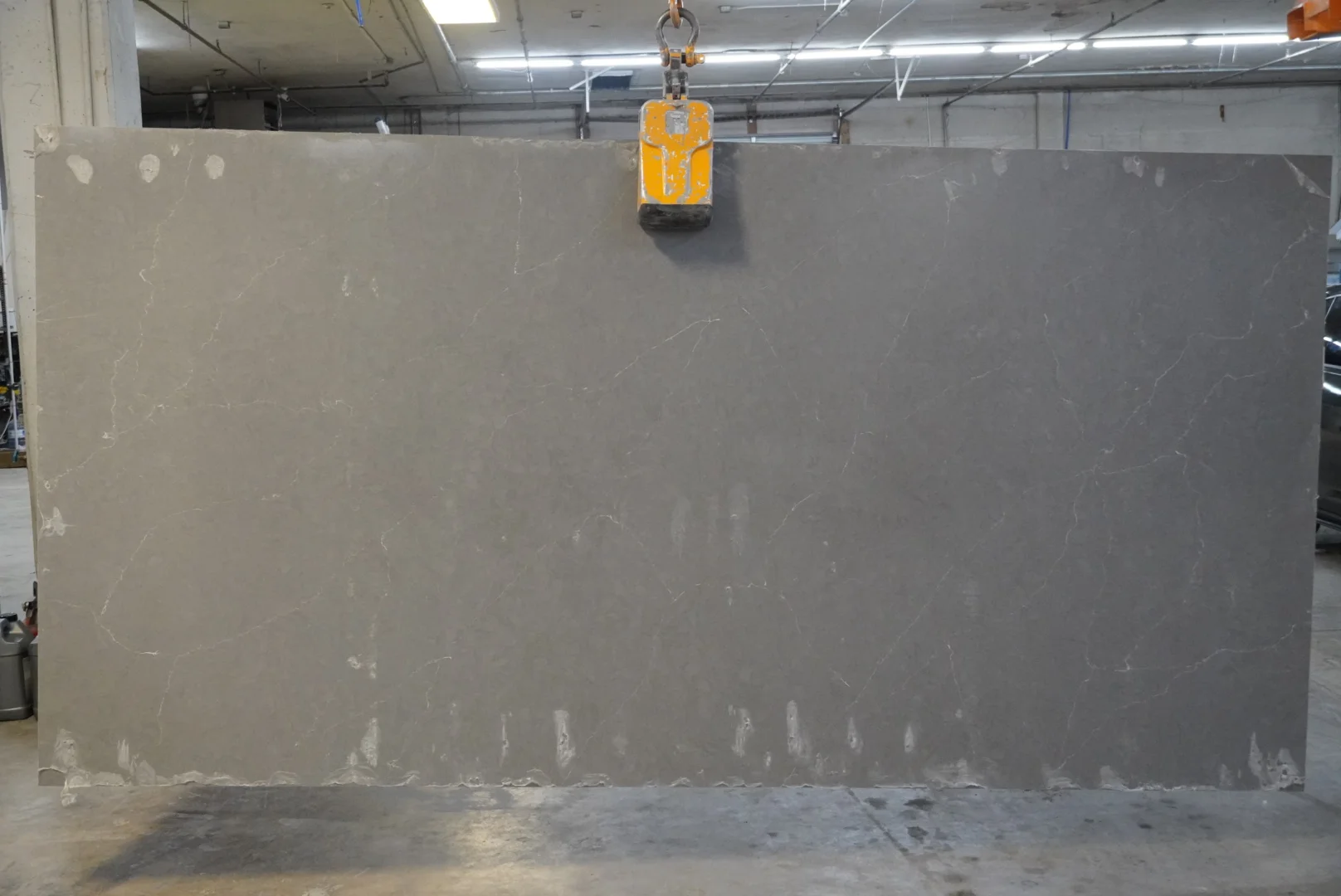
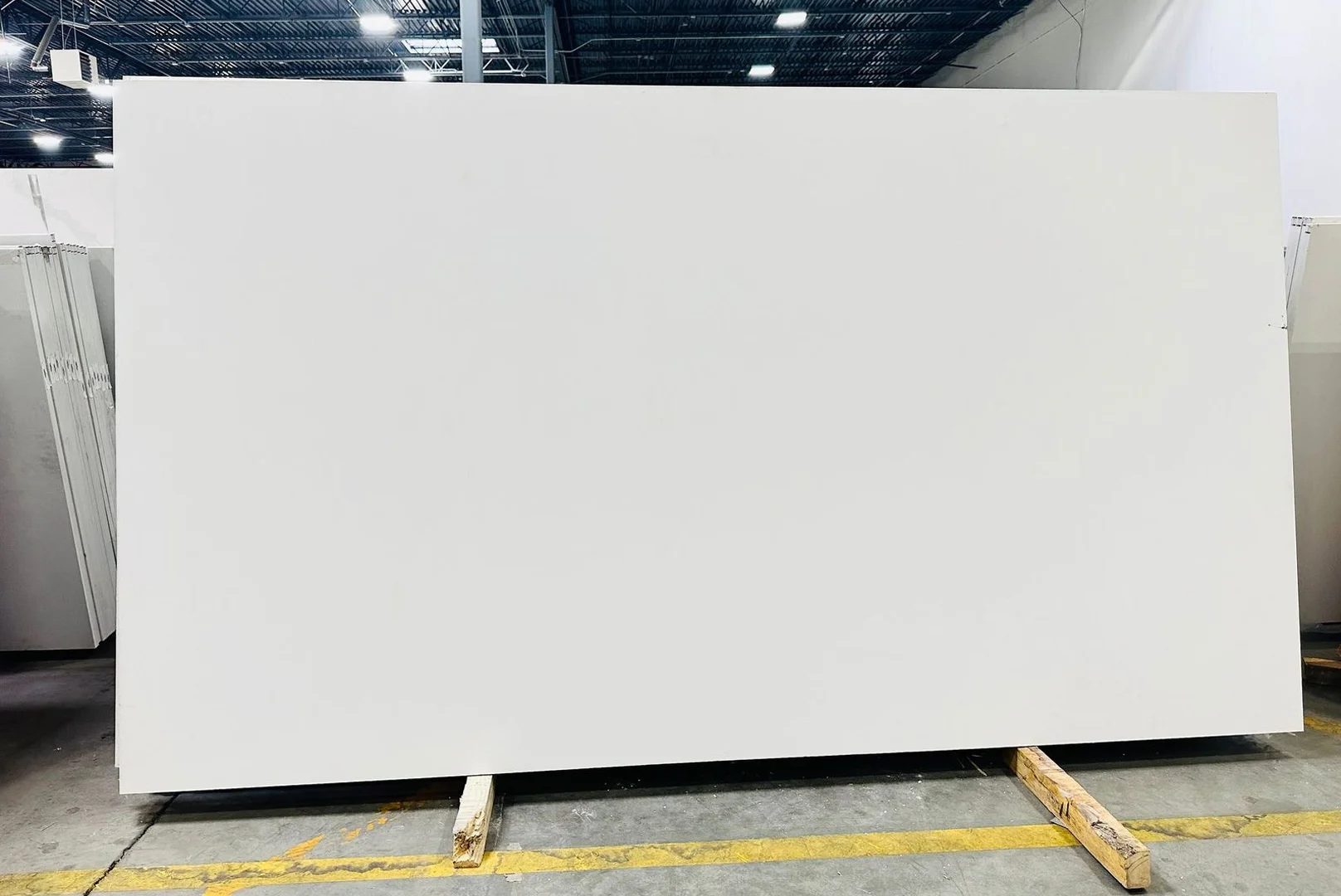
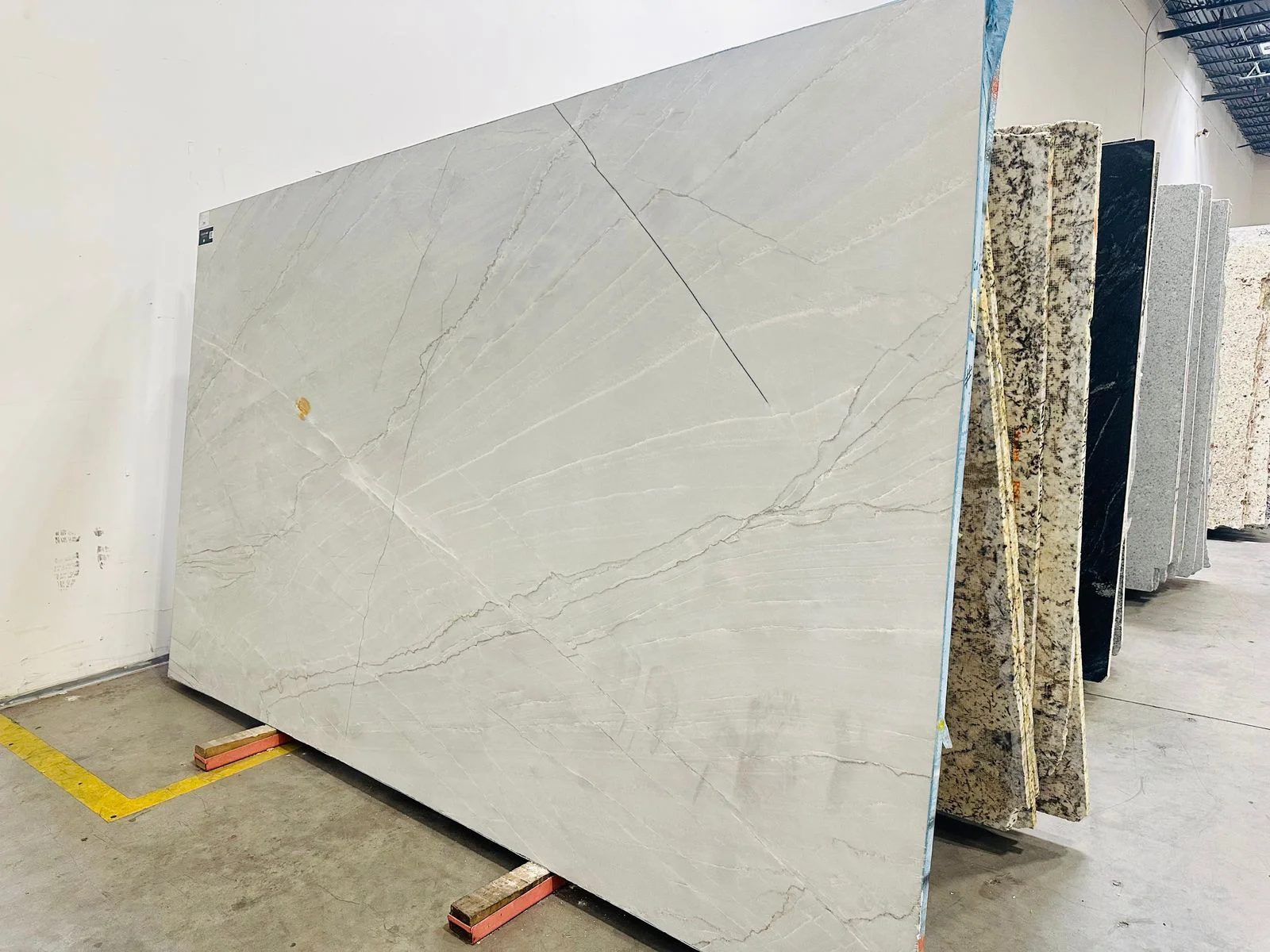
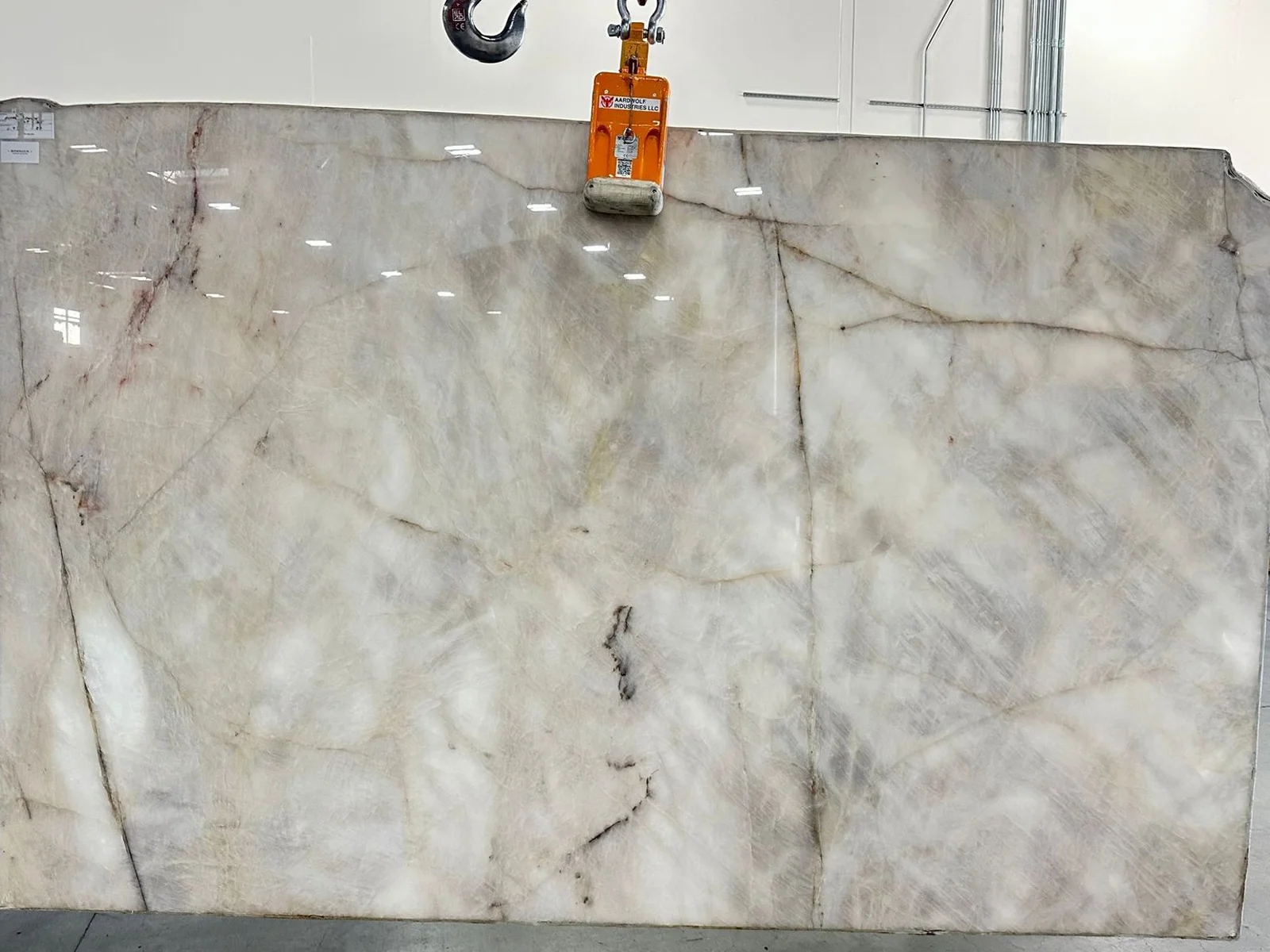
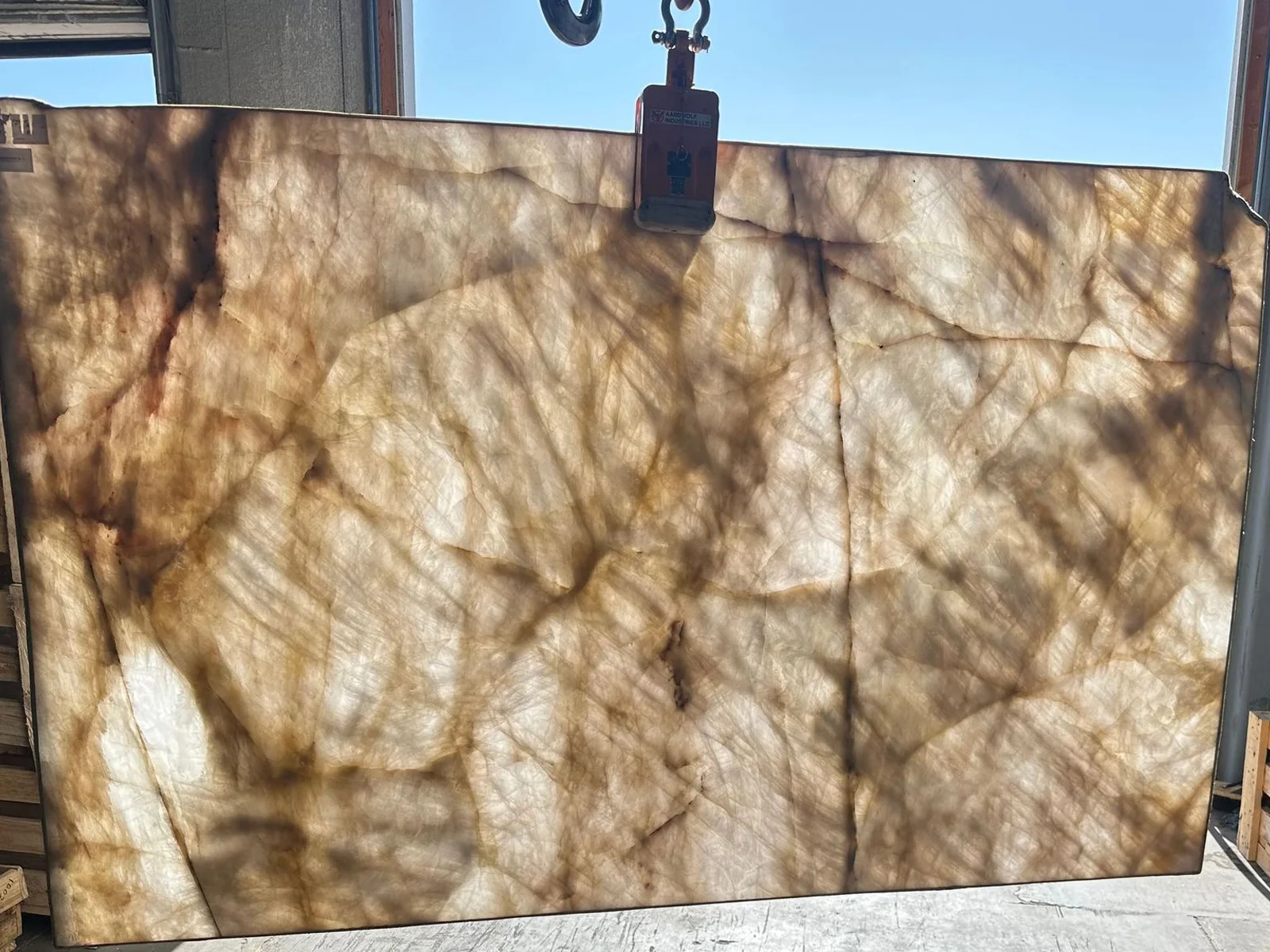
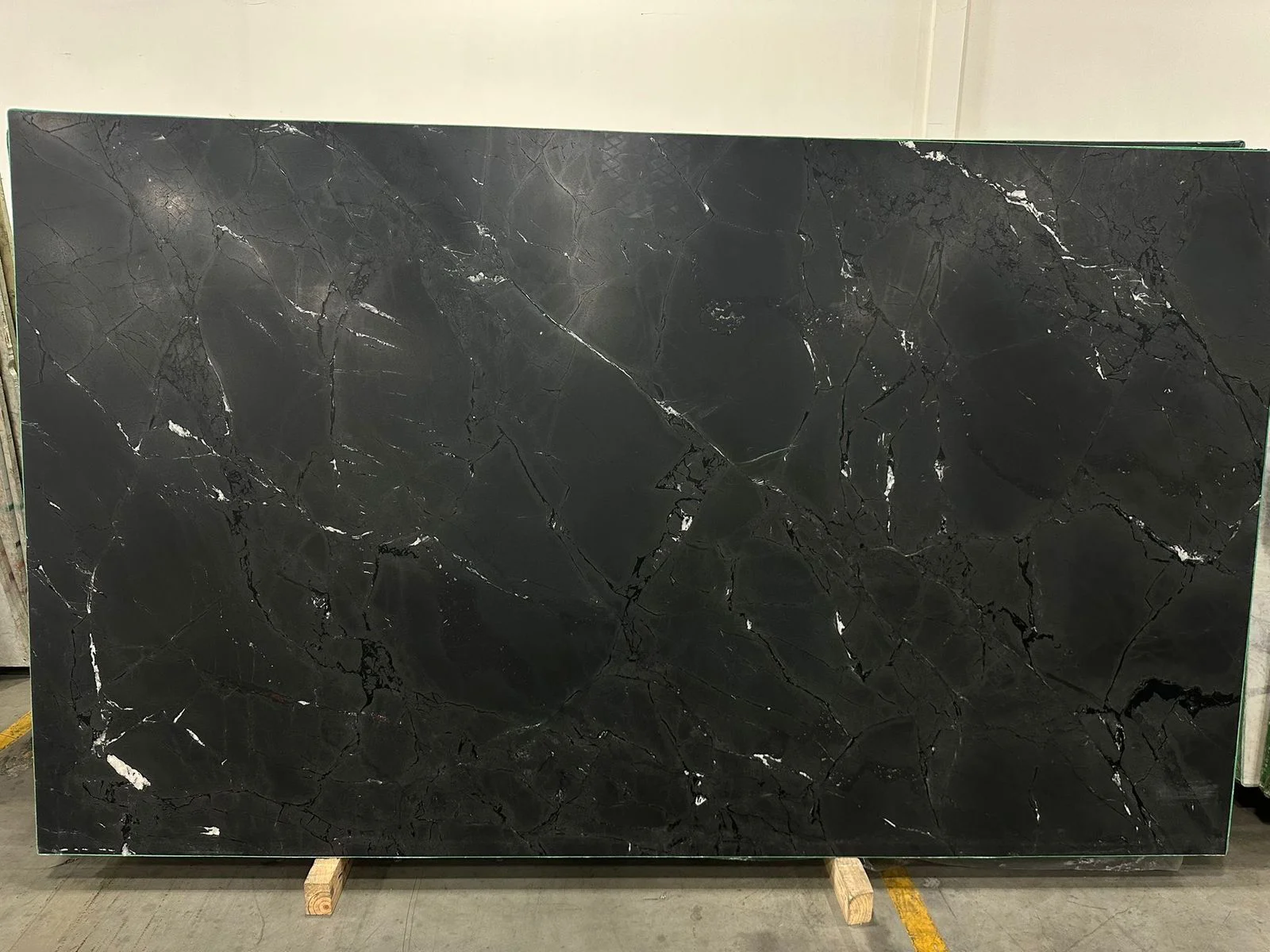
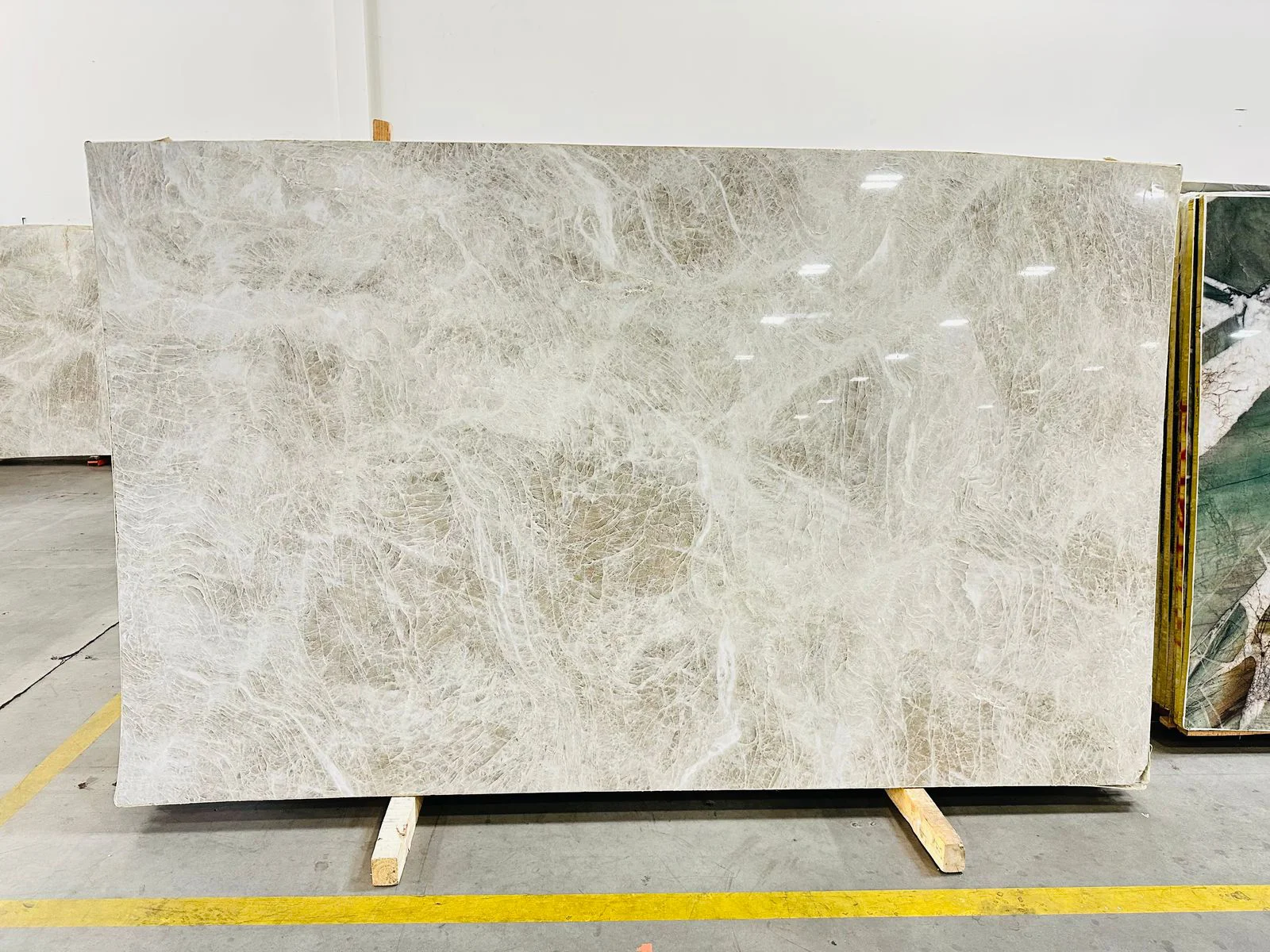
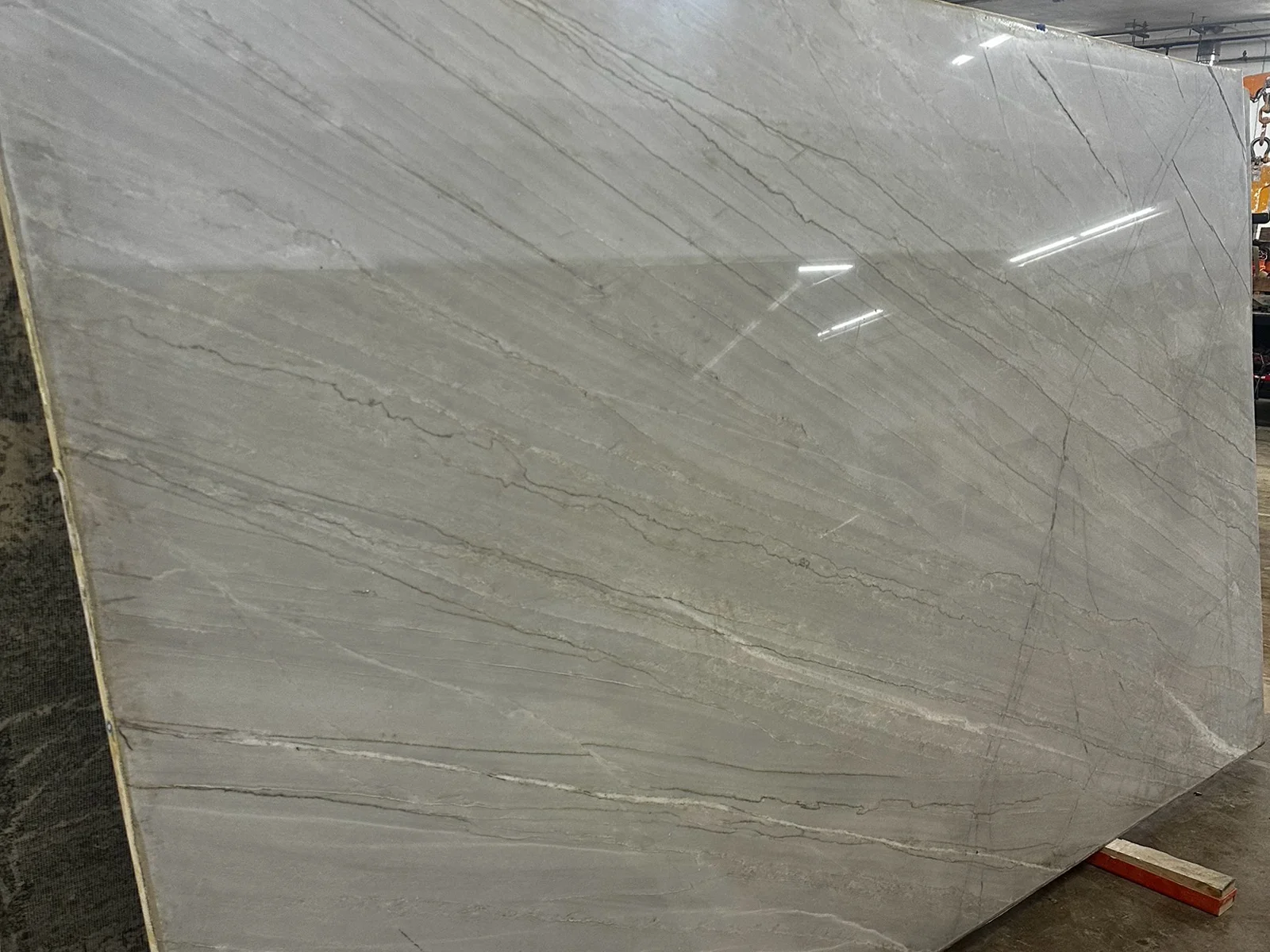
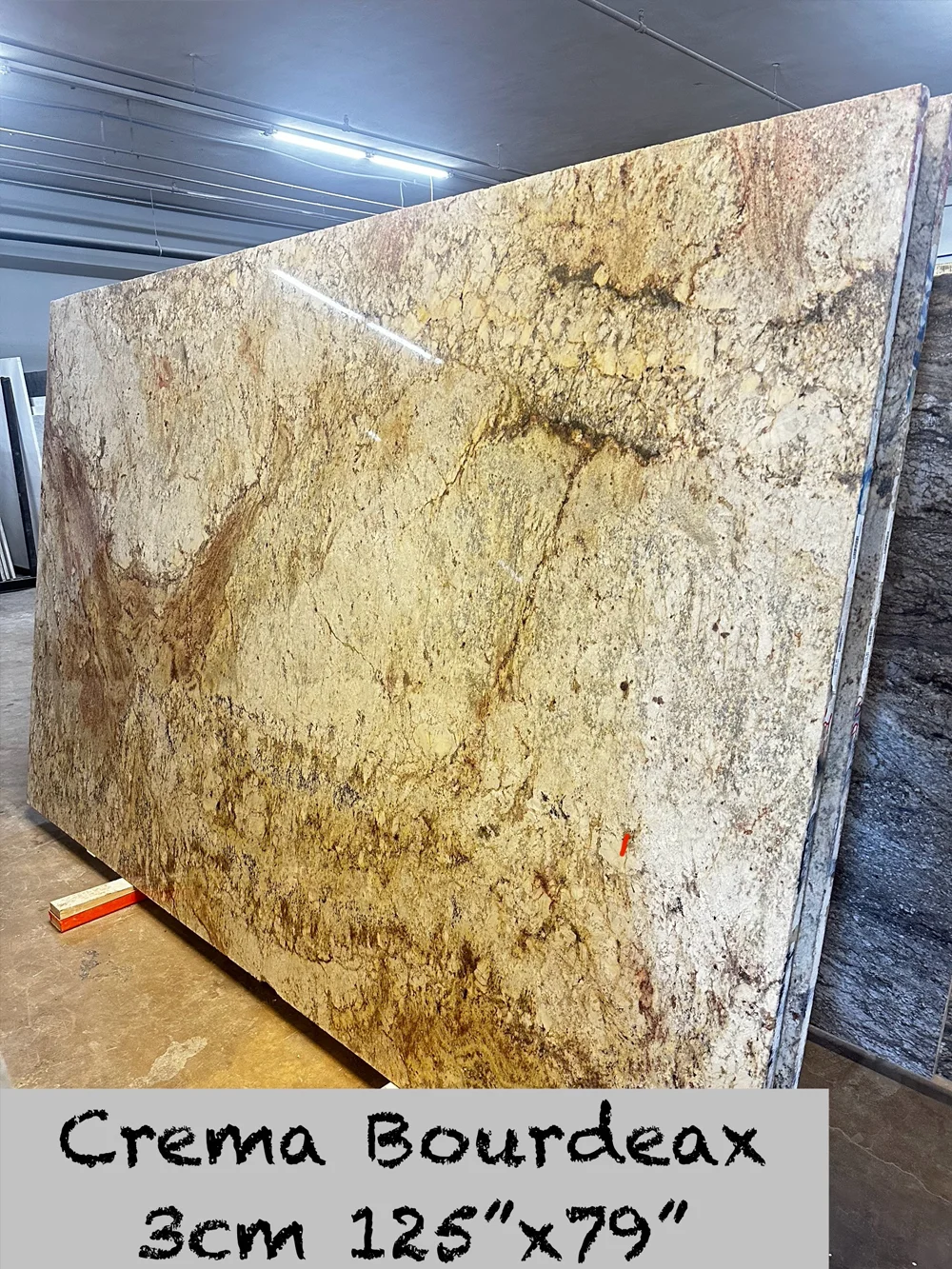
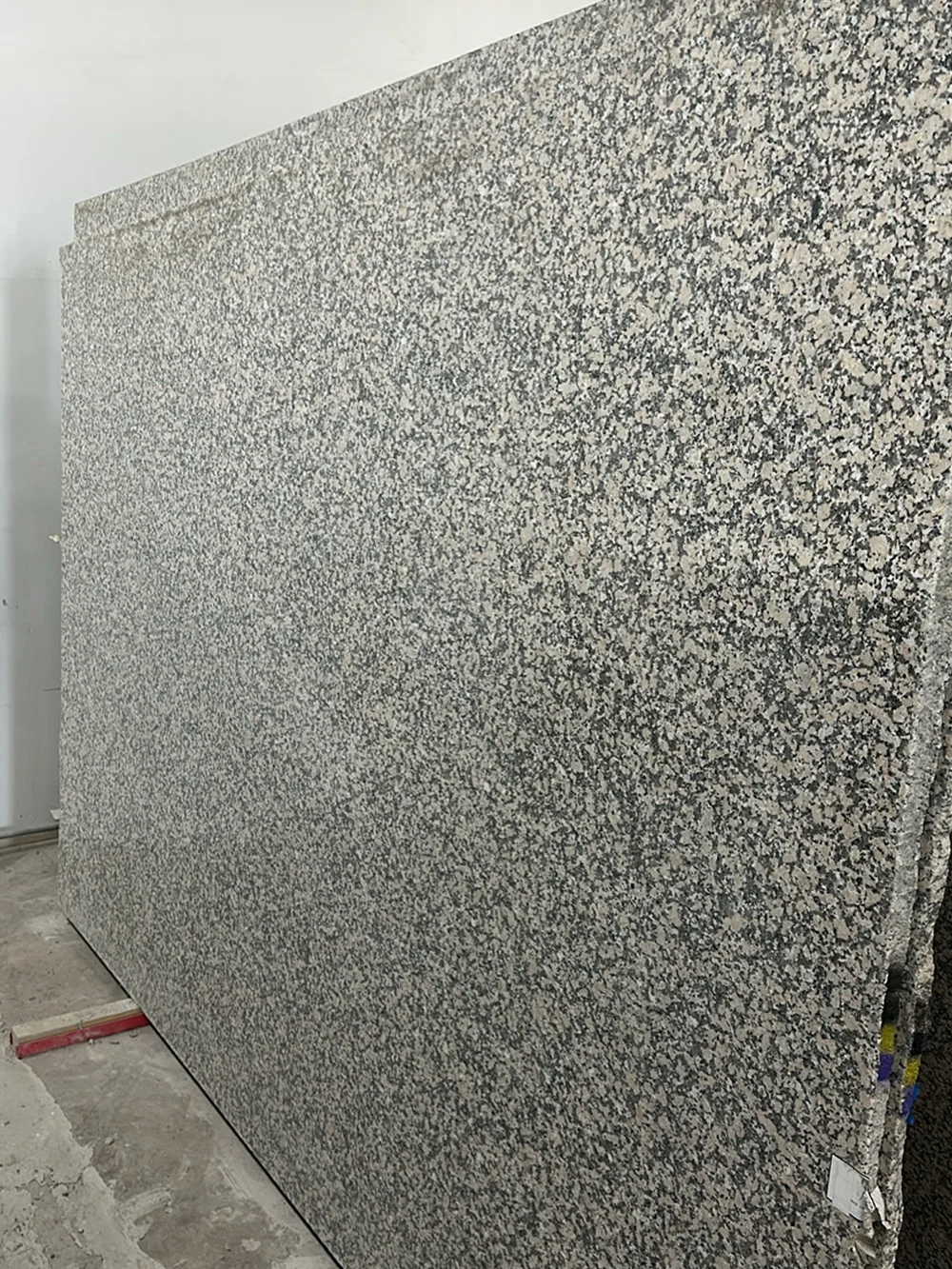
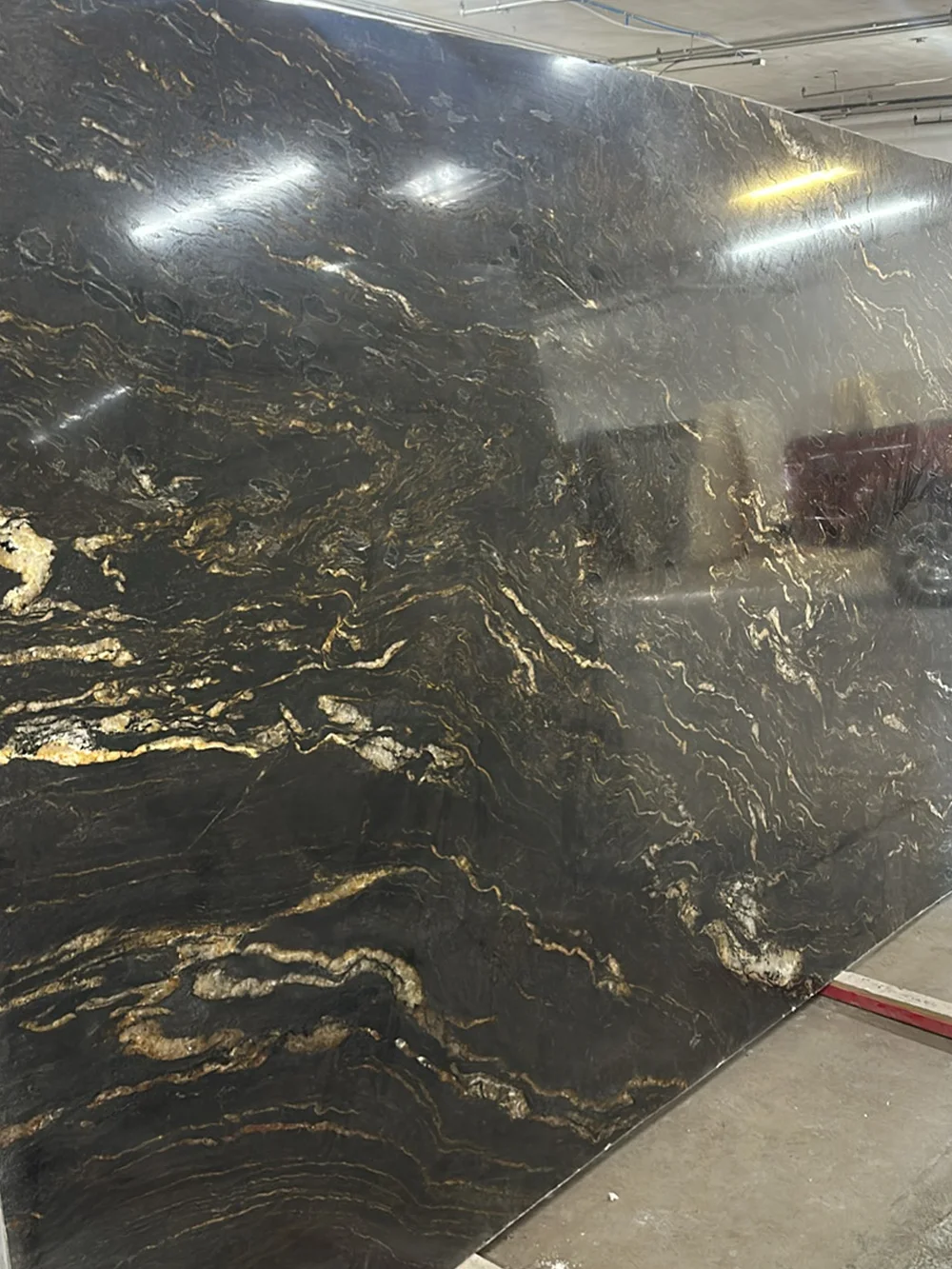
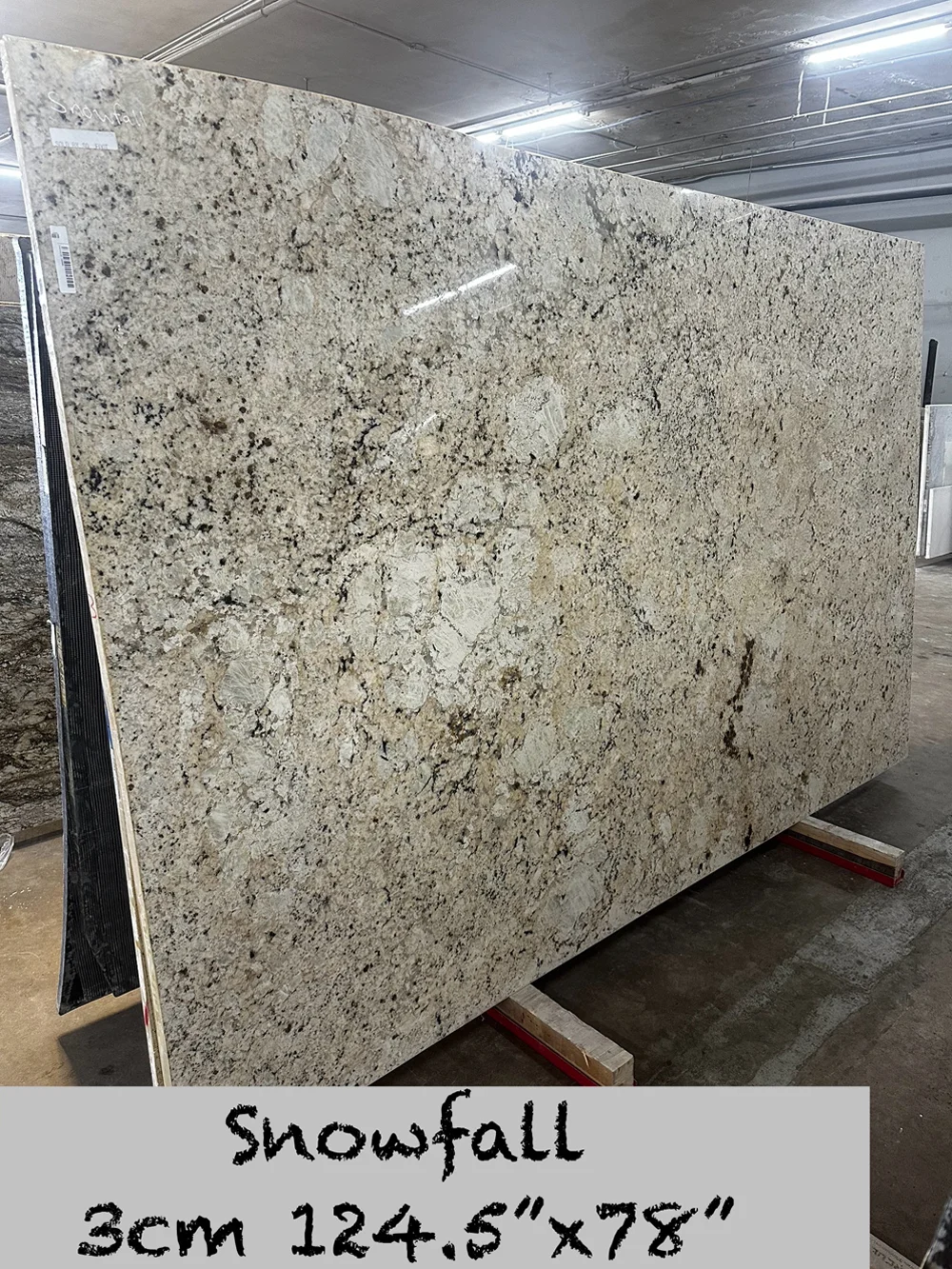
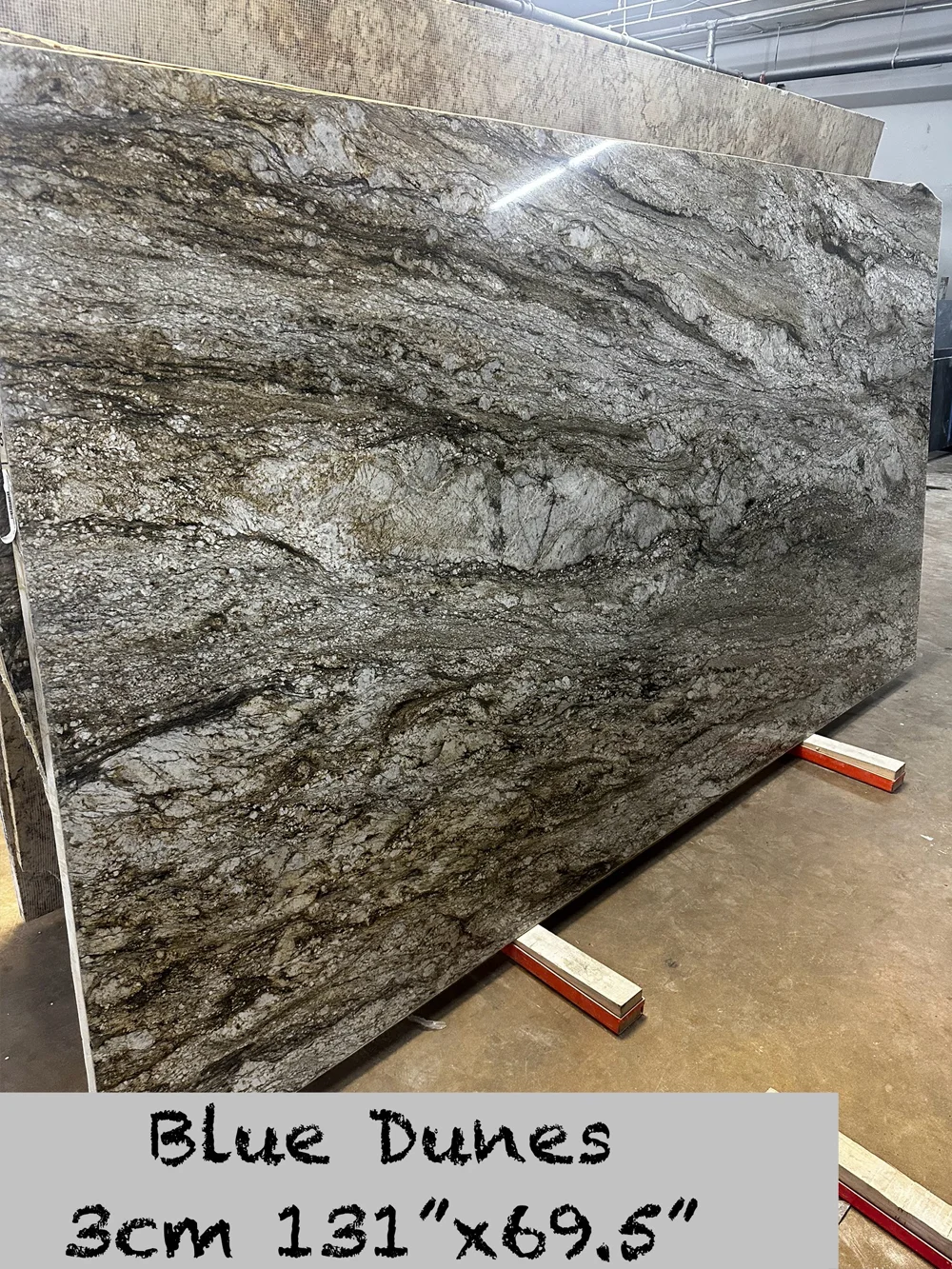
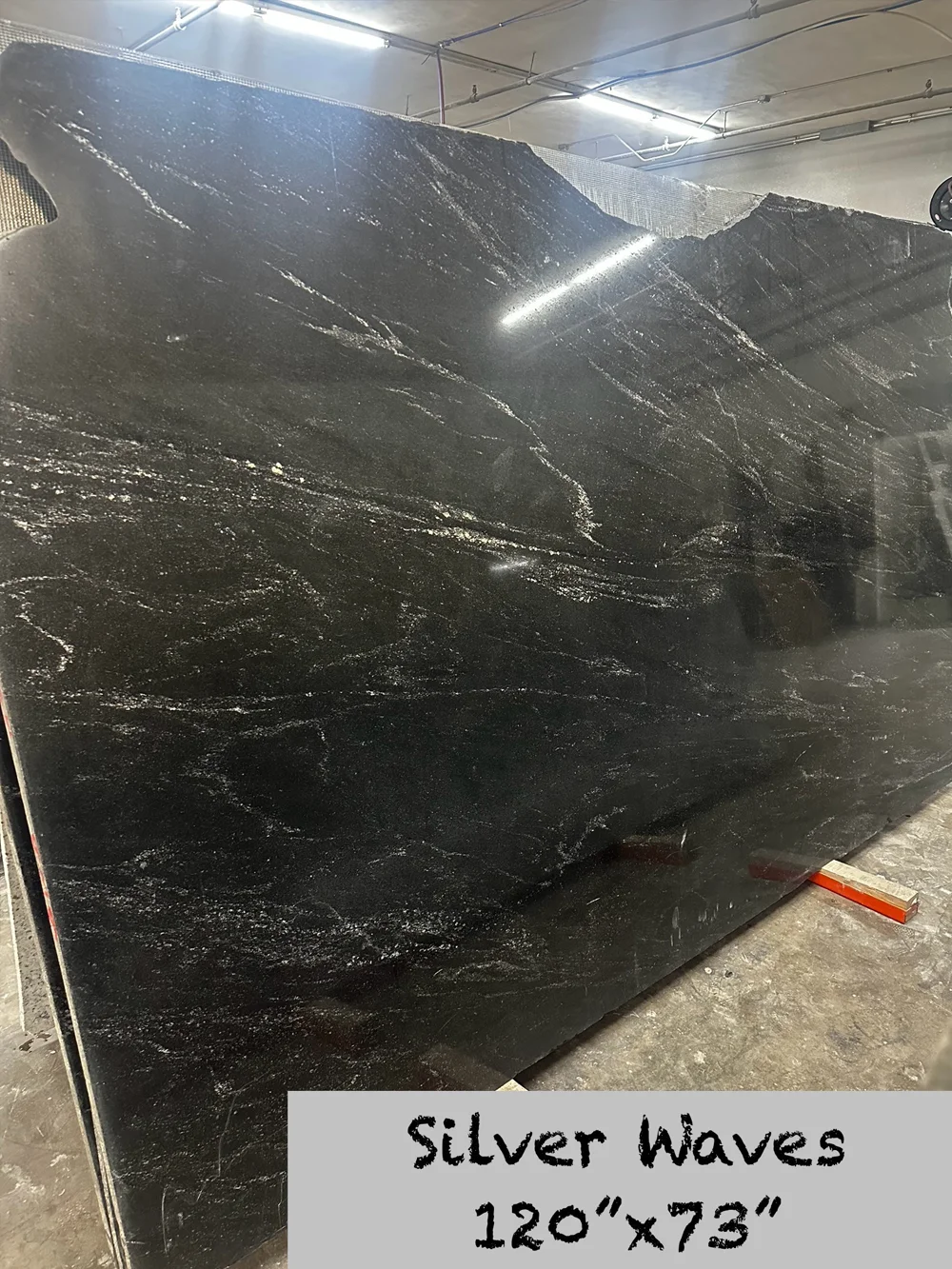
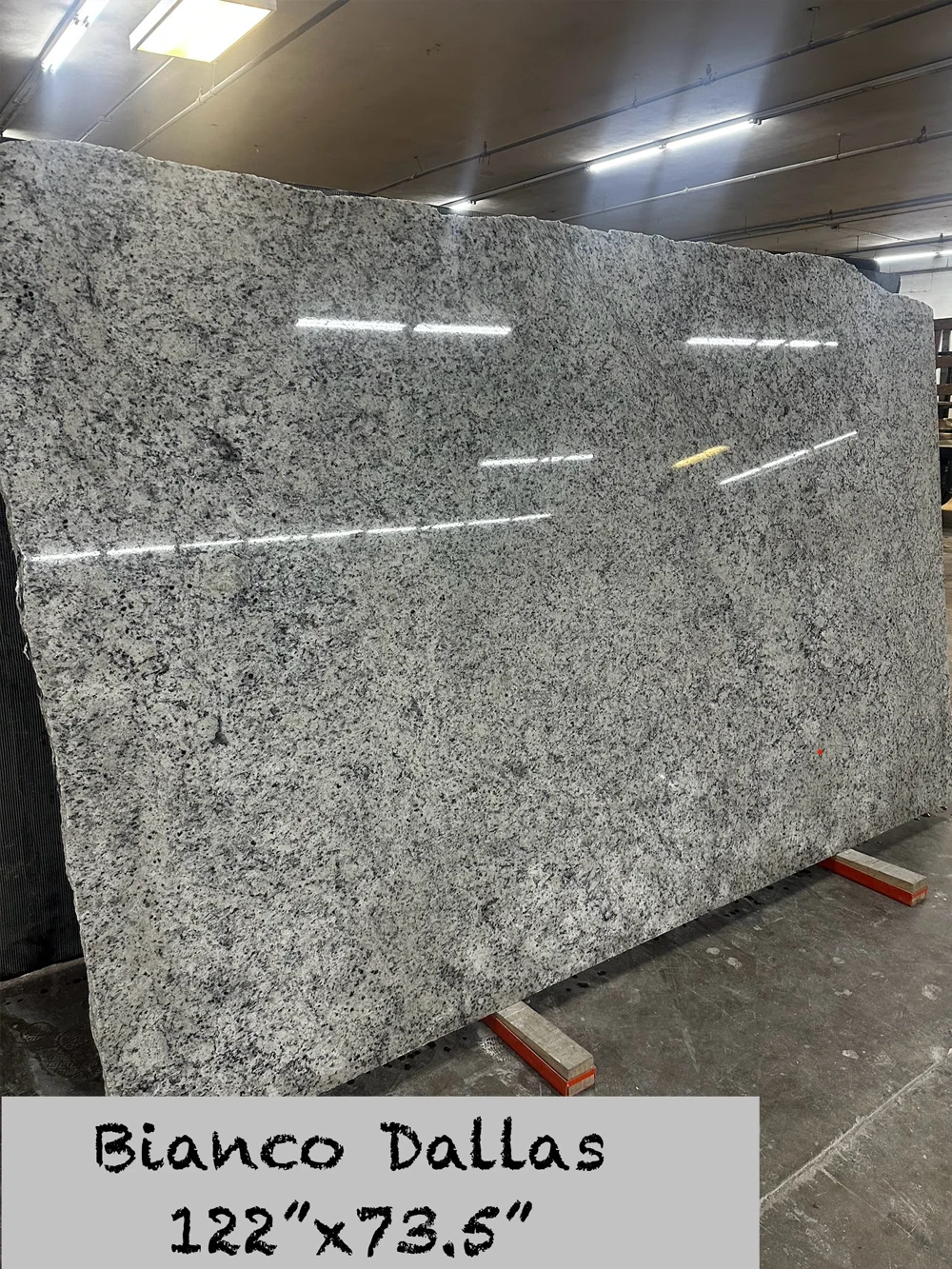
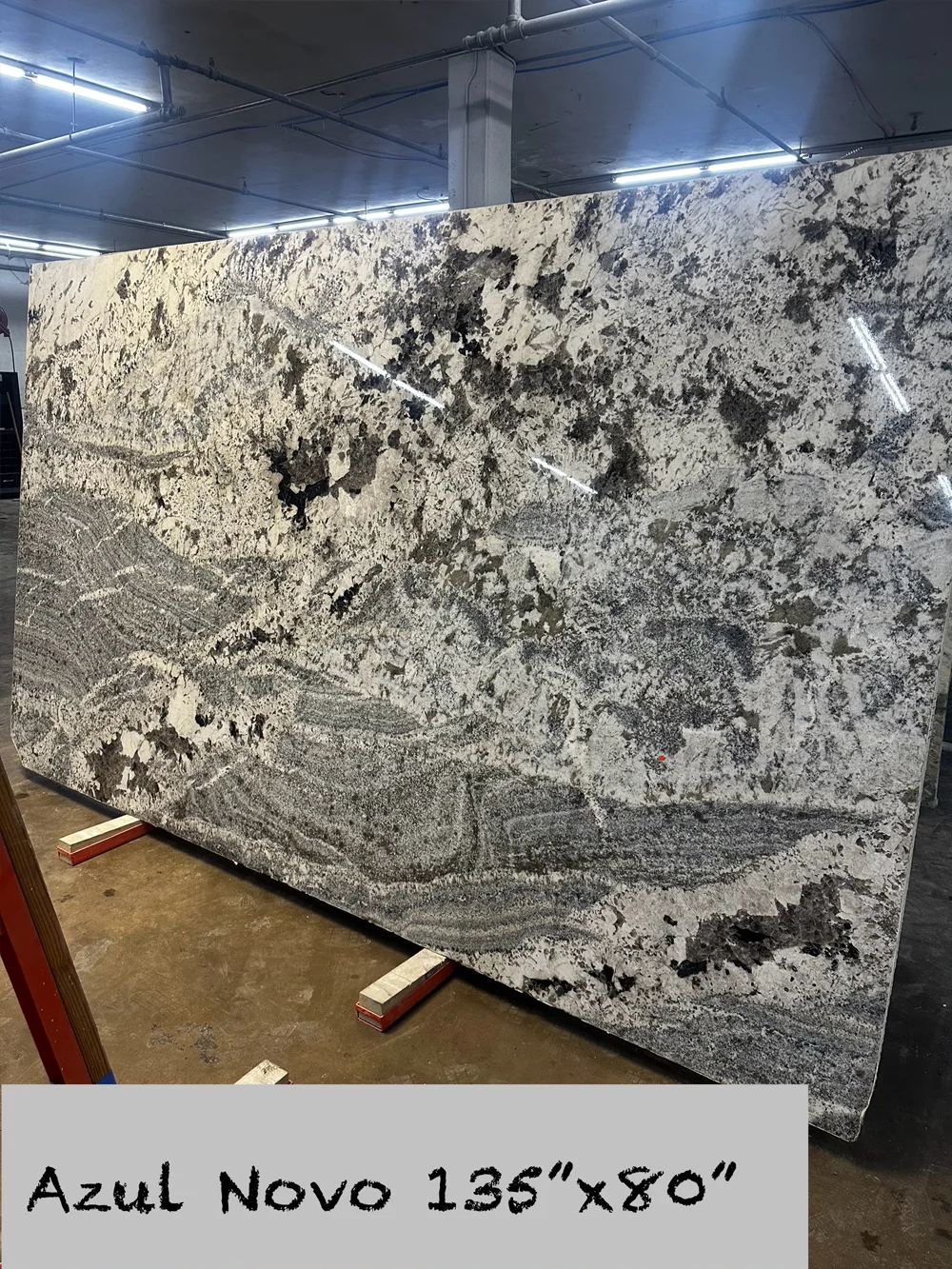
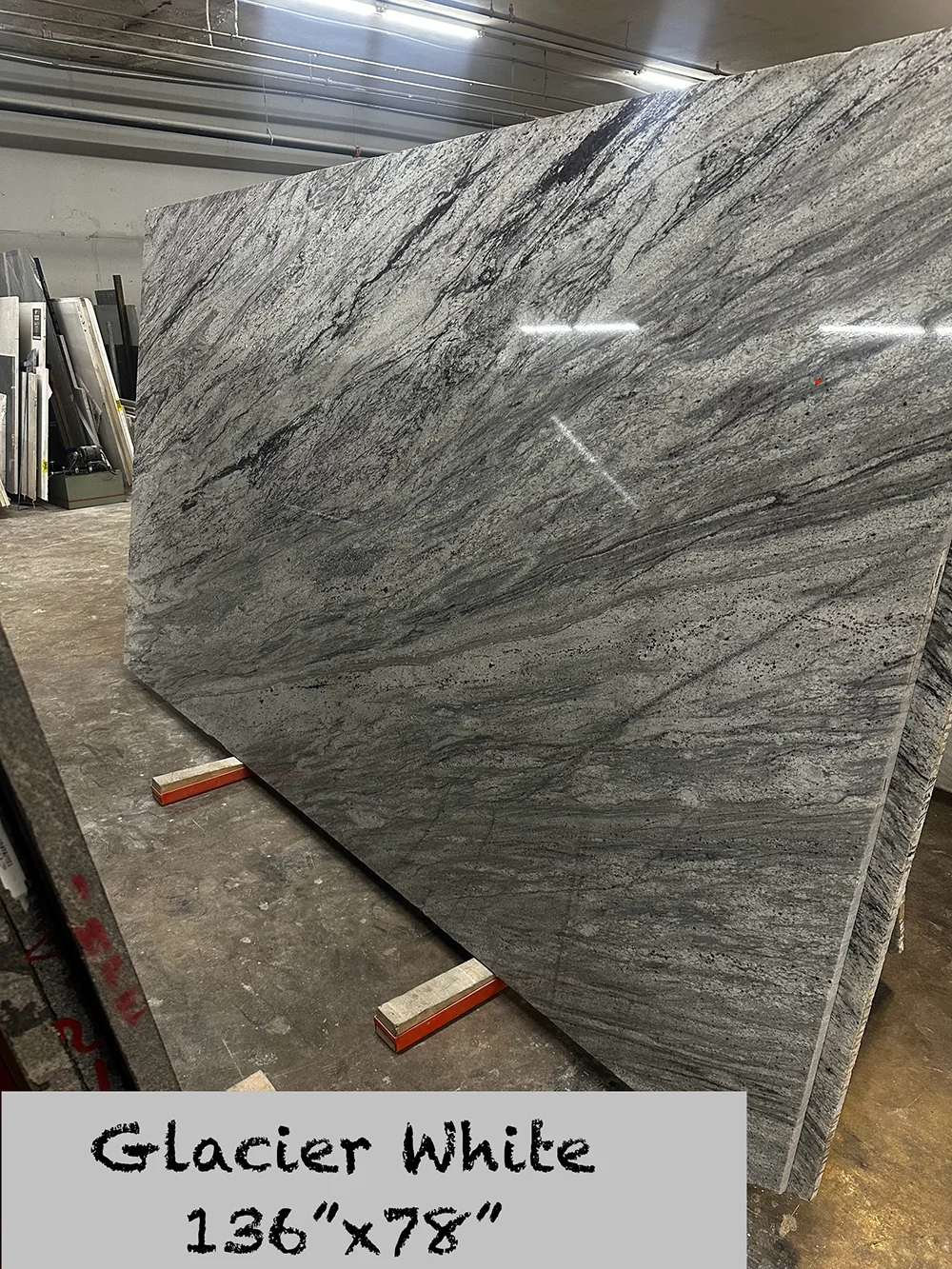
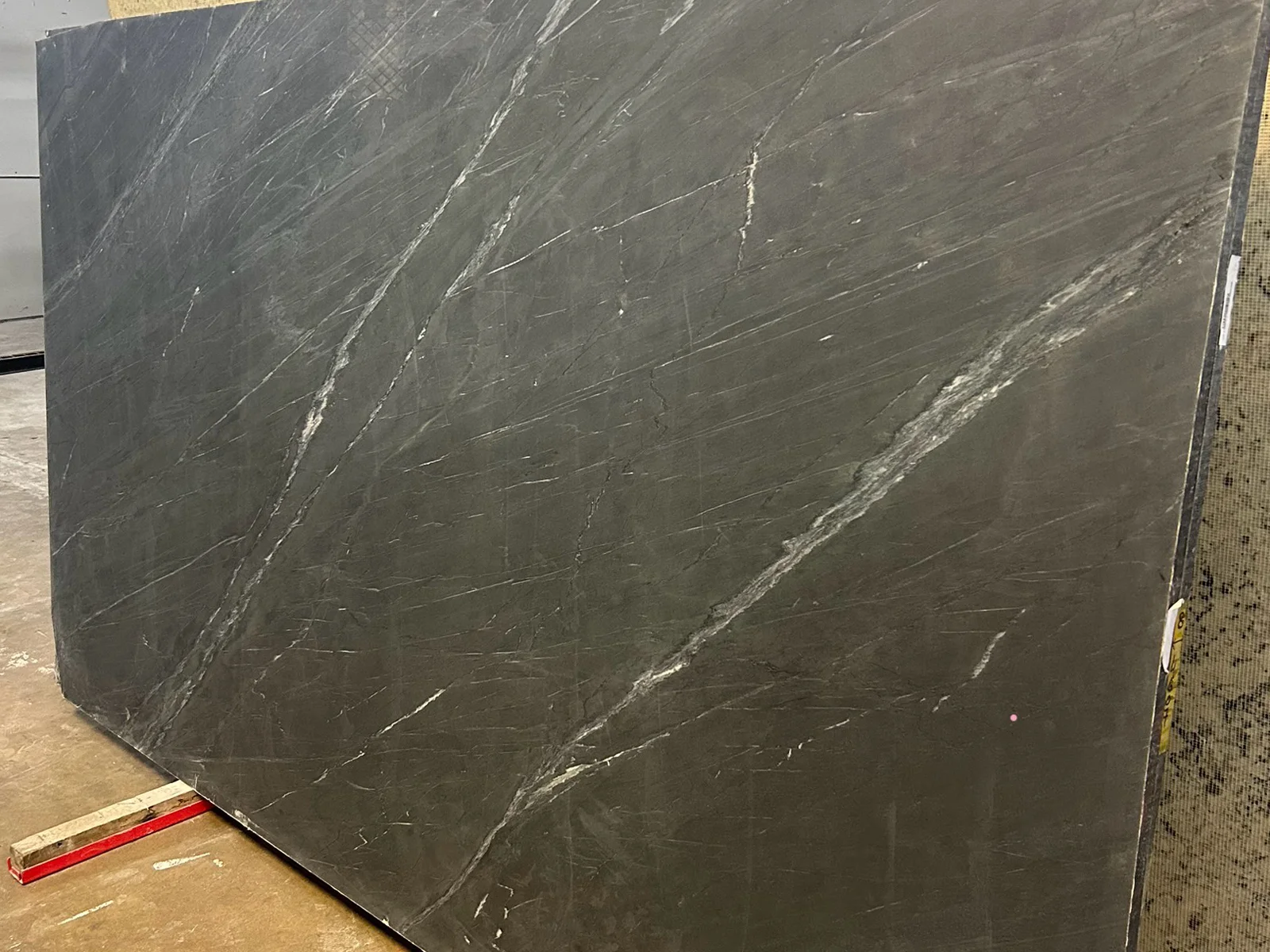
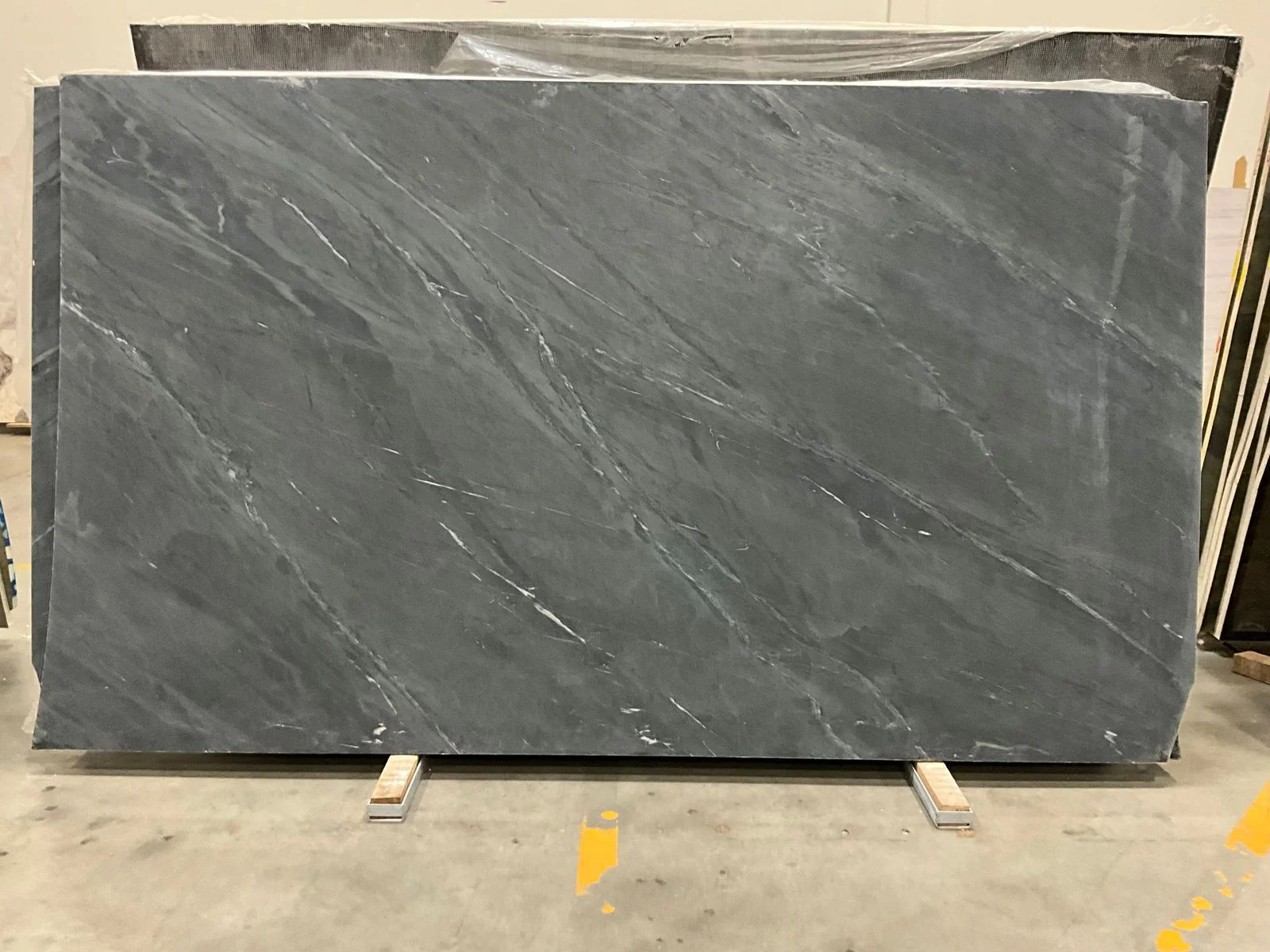
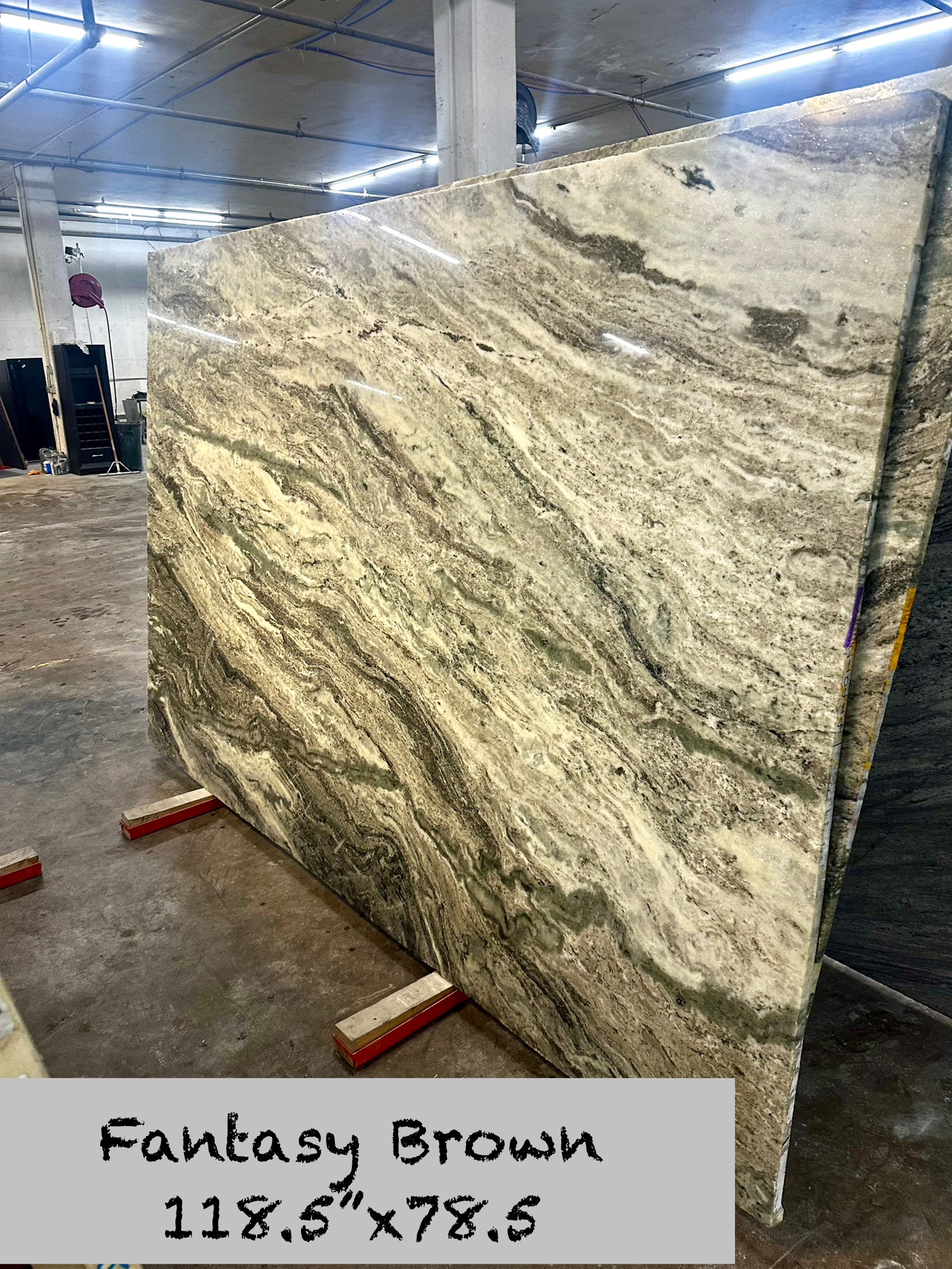
Custom countertops offer a choice of colors, patterns, and finishes. Granite, quartzite, soapstone, and engineered quartz have different appearances and care needs. Compare samples with your cabinets, flooring, and lighting, and inspect the selected slab when its pattern matters to the design.
2. Durability and Longevity
Granite and quartzite can be durable countertop choices, but performance depends on the specific stone, finish, installation, and care. Sealing needs vary, and no countertop is damage-proof. Soapstone is softer and can scratch or develop a patina. Use cutting boards and trivets, and follow the supplier’s care guidance.
3. Resale Considerations
Updated countertops may appeal to some buyers, but there is no reliable promise that they will increase an individual home’s sale price, speed up its sale, or repay the project cost. Consider the condition of the whole property, nearby comparable sales, and the price level of competing homes.
4. Personalization
Custom fabrication lets you plan dimensions, edge profiles, cutouts, and slab layout for your space. Material availability and fabrication requirements can limit some choices, so confirm the details before approving the project.
5. Maintenance Needs
Engineered quartz generally does not require sealing, but it still needs appropriate cleaning and protection from heat. Natural stone care varies: some granite and quartzite require sealing, while soapstone generally does not. A sealer can reduce absorption; it does not make stone stain-proof or prevent all damage.
How to Choose the Right Stone for Your Countertops
Use these questions to compare the options for your project:
1. Understand Your Needs
Consider daily cooking, spills, cleaning preferences, and the appearance you want. Ask how each specific surface handles staining, scratching, heat, and acids. Granite, quartzite, engineered quartz, and soapstone each involve different tradeoffs; there is no single best material for every household.
2. Evaluate Your Budget
Compare written estimates for the same project scope. Prices vary with the selected slab, thickness, edge, cutouts, seams, installation access, and labor. Do not assume that one material category is always cheaper than another, or that a higher price will produce a higher resale return.
3. Consider Your Home’s Overall Style
When choosing a countertop material, think about your home’s architecture and interior design. For example, marble may fit perfectly in a modern, minimalist bathroom, while quartzite might better complement a rustic mountain-style kitchen. Your stone choice should enhance the overall aesthetic of your home, not clash with it.
4. Think About Long-Term Durability
Ask about the selected material’s care requirements, finish, and suitability for its location. Outdoor installations need separate evaluation for weather exposure and product limitations. For indoor projects, normal use and maintenance are more useful considerations than generalized claims about Denver’s climate.
The Process of Installing Custom Stone Countertops
-
Initial Consultation During the consultation phase, experts will assess your needs and space. You’ll discuss your aesthetic preferences, functionality requirements, and budget. This step also includes selecting your desired stone, reviewing color options, and narrowing down the style.
-
Stone Selection Once you’ve chosen the perfect material, professionals will guide you through the process of selecting individual slabs. This is an exciting phase where you get to see the unique patterns and colors of different stones and choose the one that speaks to you.
-
Measurement and Design After slab selection and design review, the fabricator measures or templates the space and confirms the layout, seams, edge details, and required cutouts. Final dimensions and installation conditions should be approved before fabrication.
-
Fabrication The approved slabs are cut and finished for the project. Confirm scheduling with the fabricator; material availability, design complexity, and site readiness can affect timing.
-
Installation The installer places and secures the countertops, completes the agreed seams and details, and provides care instructions. Sealing or other treatments depend on the material. Review the completed work and any remaining items with the installer.
Final Thoughts
Custom countertops can improve a space’s usability and appearance when the material and design suit the household. Balance those benefits against the full project cost, maintenance requirements, and how long you expect to use the space. Treat resale value as uncertain.
Contact Lion StoneWorks to discuss countertop materials, fabrication, and installation for your Denver-area project. Bring approximate dimensions, project photos, and your priorities so the conversation can focus on a suitable scope and estimate.